
What Is the Best PPF for Arizona Desert Roads in 2026? A Guide for Sierra Vista & Tucson Drivers
The best paint protection film for Arizona desert roads in 2026 is a premium, self-healing, UV-stable film with strong resistance to yellowing and stains, backed by a long manufacturer's warranty. It also needs professional installation with custom-cut patterns. Arizona punishes paint with intense UV, extreme heat, blowing sand, and gravel from chip-sealed and dirt roads. Generic or budget film can yellow, crack, or peel early in those conditions. For most Southern Arizona drivers, full front coverage is the minimum. Rocker panels and lower doors should be added if you regularly drive gravel or dirt roads.
If you drive SR-90 to Tucson, commute through Fort Huachuca's gates, or head out on the dirt roads around Hereford, Whetstone, or Bisbee, you know what desert driving does to a car. Sand-pitted hoods, chipped bumpers, and sun-faded paint show up fast. Then there's the fine "desert pinstriping" that mesquite and creosote leave down the sides of any vehicle that leaves the pavement.
This guide explains what makes a PPF hold up in the Arizona desert, which coverage fits your driving, how PPF compares with other protection, and what to ask an installer. Cool Dreams Window Tinting is a family-owned shop in Sierra Vista that has protected Southern Arizona vehicles since 2001, so we'll also share what we've learned from years of desert installs.
The Short Answer: What Makes PPF "Best" for Arizona?
Most PPF articles are written for drivers in mild climates. Arizona is different. Here's what matters most in the desert:
- UV stability: Arizona has some of the strongest sun in the country, and Sierra Vista sits at more than 4,600 feet, where UV exposure is even higher. Film must be built to resist UV breakdown.
- Yellowing resistance: Cheap films can turn yellow under prolonged desert sun. Premium films are made to stay clear.
- Self-healing topcoat: Light scratches and swirls disappear with heat. In Arizona, the sun does that job for you most of the year.
- Impact absorption: The film has to absorb gravel, sand, and road debris thrown at highway speeds.
- Stain resistance: Bug splatter, bird droppings, and hard-water spots bake onto hot paint quickly. Stain-resistant film keeps them from etching in.
- A long manufacturer warranty: Coverage against cracking, peeling, and yellowing, ideally for 10 years.
- Professional, custom-cut installation: Precise edges and patterns keep sand and dust from working under the film.
A film that checks all of these boxes will hold up to desert driving.
Why Arizona Desert Roads Are So Hard on Paint
Chip-Seal and Gravel Roads
Many Arizona highways and county roads are chip-sealed, meaning gravel is pressed into the asphalt surface. Loose chips break free constantly, especially soon after resurfacing, and passing traffic throws them at your bumper and hood. Add the unpaved roads common across Cochise County, and rock chips become a fact of life.
Sand, Dust, and Haboobs
Wind-driven sand acts like fine sandpaper. During monsoon season, dust storms can blast exposed paint in minutes and leave a dull, pitted finish over time. Even everyday wind carries enough grit to wear down a hood and front bumper.
Extreme UV and Heat
Summer sun can push paint surface temperatures far above the air temperature. UV oxidizes clear coat, fades color, and leads to peeling paint on cars that live outside. Dark-colored vehicles take the worst of it.
Monsoon Debris and Hard Water
Summer storms wash rocks and debris across roads and leave mud splatter behind. Arizona's hard water leaves mineral spots that can etch into hot paint if they aren't cleaned quickly.
Desert Pinstriping
If you drive trails, ranch roads, or unpaved driveways, brush scrapes along your doors and fenders are almost unavoidable. Quality PPF absorbs many of these light scratches and self-heals them in the sun.
Premium PPF vs. Budget PPF in the Desert
In milder climates, a budget film might last a few years before problems show. In Arizona, weaknesses surface much faster. Here's what separates the two:
| Feature | Premium PPF | Budget PPF |
|---|---|---|
| UV stability | Built to resist breakdown in intense sun | May degrade, cloud, or crack early |
| Yellowing | Strong resistance; warranty-backed | Common after prolonged sun exposure |
| Self-healing topcoat | Yes; heals light scratches with heat | Often limited or absent |
| Stain resistance | Resists bugs, tar, and hard-water etching | Stains more easily |
| Gloss and clarity | High gloss, nearly invisible | Can look hazy or show orange peel |
| Adhesive quality | Holds firm in heat; removes cleanly later | May lift at edges or leave residue |
| Warranty | Long manufacturer warranty (often 10 years) | Short or shop-only coverage |
Desert driving exposes weak film quickly, so premium PPF is the better long-term value in Arizona, especially if you plan to keep your vehicle for years.
Which PPF Coverage Is Best for Arizona Drivers?
How much of your vehicle to cover depends on where and how you drive:
| Coverage Package | What's Covered | Best For | Desert Protection Level |
|---|---|---|---|
| Partial Front | Front bumper, partial hood and fenders, mirrors | City driving and short commutes on paved roads | Good |
| Full Front | Full bumper, hood, fenders, mirrors, headlights | Highway commuters on SR-90, SR-92, and I-10 | Excellent |
| Full Front + Rockers | Full front plus rocker panels, lower doors, behind the wheels | Gravel and dirt road drivers, rural Cochise County | Excellent+ |
| Full Front + Rockers + Rear | Above plus rear bumper top and rear quarter panels | Trucks, lifted vehicles, and towing | Very high |
| Full Body | Every painted panel | Off-roaders, new or high-value vehicles, long-term owners | Maximum |
Our recommendation: Full front coverage is the baseline for any vehicle that sees Arizona highways. If you drive dirt or gravel roads regularly, add the rocker panels and the areas behind the wheels, because your own tires throw rocks there. Trucks and off-road vehicles that take desert trails are often best served by full body coverage, which guards against desert pinstriping as well as chips.
PPF vs. Other Ways to Protect Paint in Arizona
Drivers often ask whether wax, sealants, or coatings can replace PPF. Here's how they compare:
- in desert heat and does nothing against rock chips or sand.
- Ceramic coating: Adds gloss, makes washing easier, and resists chemical etching, but it's a thin coating, not a physical barrier. It won't stop chips or sand pitting.
- Paint touch-ups and repainting: Fixes damage after it happens, at a much higher cost, and repaints rarely match factory paint perfectly.
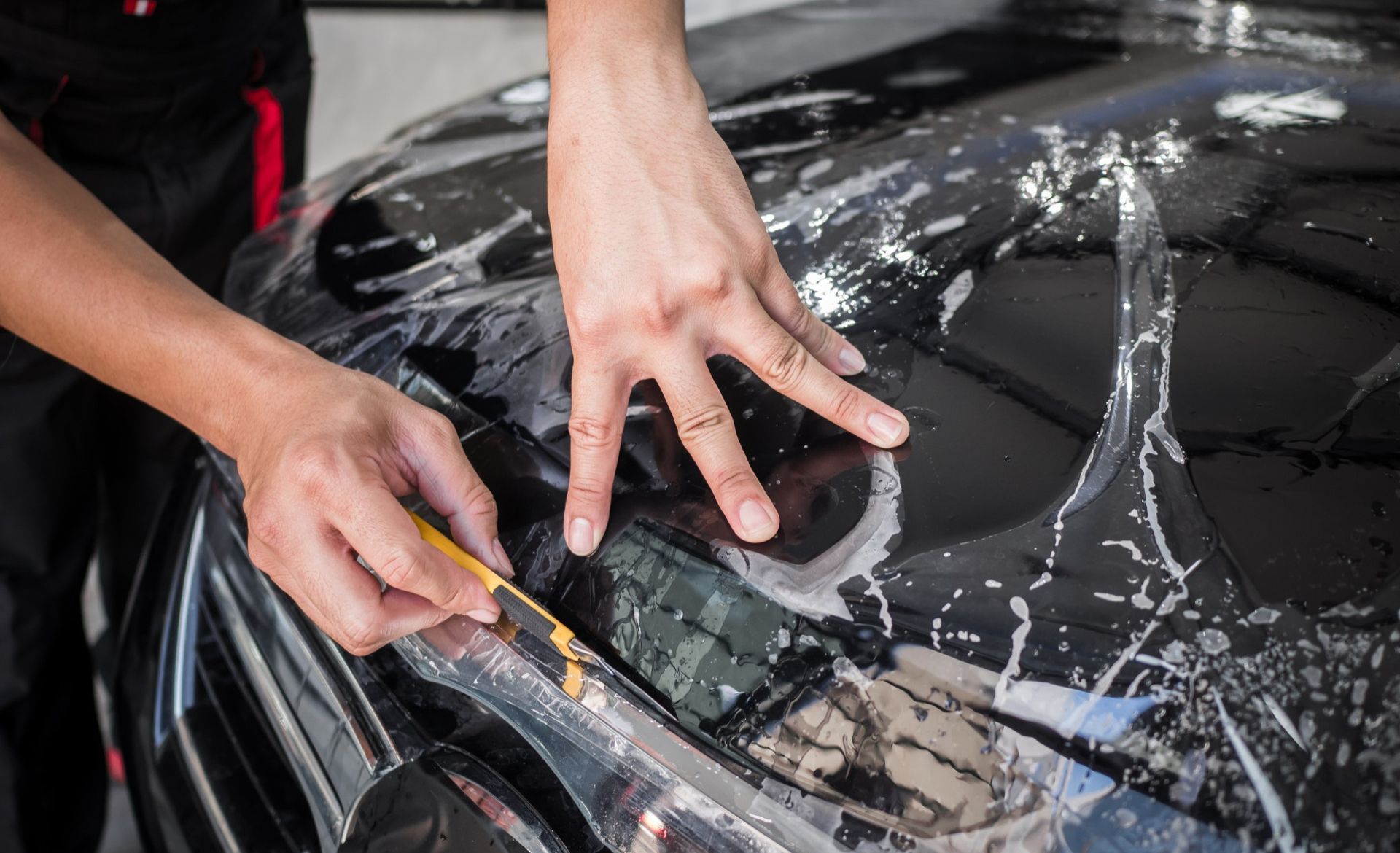
- Paint protection film: The only option that physically absorbs impacts from rocks, gravel, and sand while also shielding paint from UV and stains.
Bottom line: For desert roads, nothing replaces PPF for physical protection. Many owners still add a coating on top of the film or on uncovered panels to make washing off dust easier.
What Cool Dreams Window Tinting Installs
At Cool Dreams Window Tinting, we install only the highest-quality, most durable paint protection films available, chosen to perform in Southern Arizona conditions. Our clear bra film offers:
- A self-healing clear coat that erases light scratches and swirl marks
- Protection against stone chips and road rash from rocks, gravel, sand, and debris
- Resistance to yellowing and staining from dirt, oil, tar, and bugs
- 100% UV stable construction made for intense sun
- High gloss and optical clarity that's nearly invisible on your vehicle
- Gloss and matte options to match factory and custom finishes
- Hydrogard™ technology for added water resistance and surface durability
- A Limited 10-Year Manufacturer's Warranty against cracking, peeling, and yellowing
Every piece is custom cut to fit your specific vehicle, and the film can be safely removed later if needed.
How to Choose the Right PPF for Desert Driving: 5 Steps
Be Honest About Your Roads
Do you stay on paved city streets, commute on the highway, or regularly drive dirt and gravel? Your typical roads should decide your coverage level more than anything else.
Consider Your Vehicle's Color and Value
Dark paint shows chips, sand pitting, and swirls much more than light colors. New, high-value, or custom-painted vehicles benefit most from broader coverage.
Choose Gloss or Matte
Gloss film keeps factory paint looking deep and shiny. Matte film can protect a satin or matte factory finish, or give gloss paint a custom satin look.
Ask About the Warranty and Who Backs It
Make sure the warranty comes from the film manufacturer, covers yellowing, cracking, and peeling, and lasts long enough to matter. In Arizona, a 10-year manufacturer warranty is a strong benchmark.
Choose an Experienced Local Installer
Desert dust is the enemy of a clean install. An experienced shop knows how to prep the paint, control dust in the bay, and wrap edges so sand can't work its way underneath.
What to Expect During and After Installation
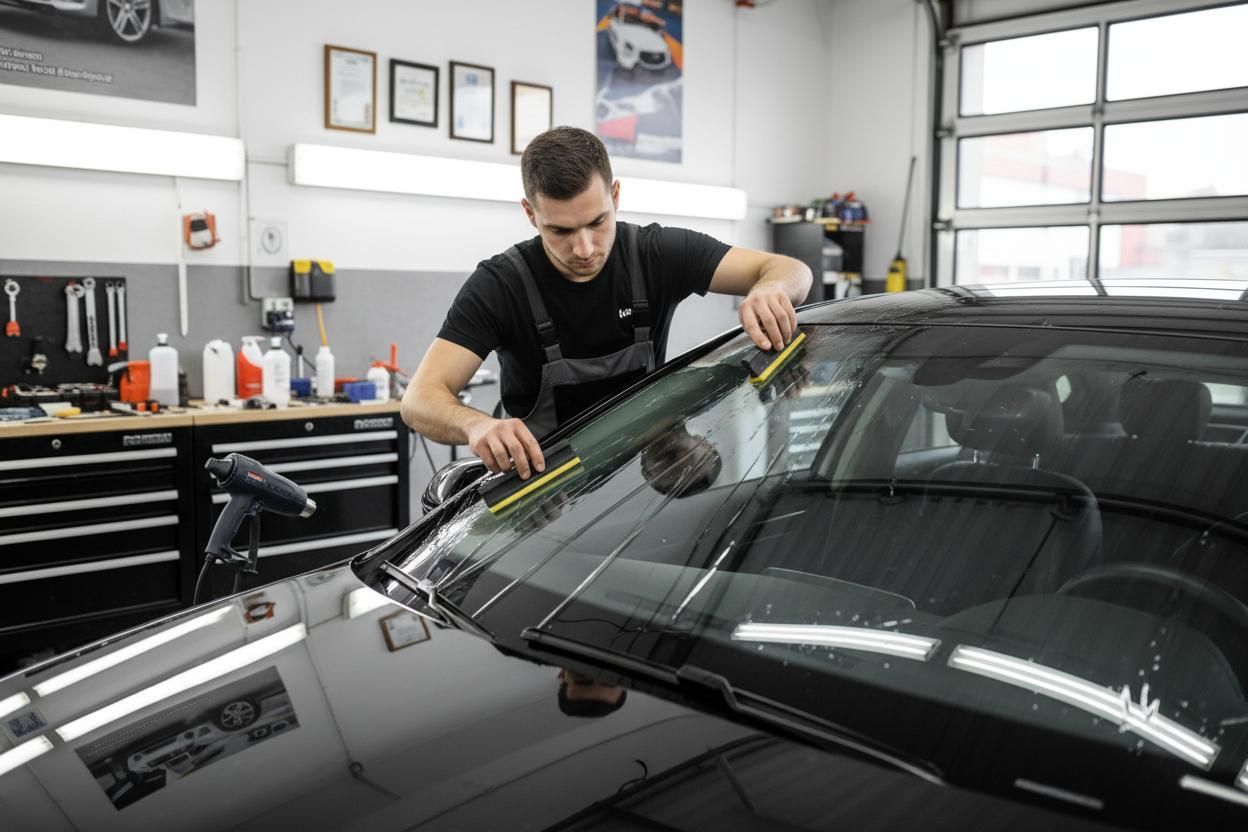
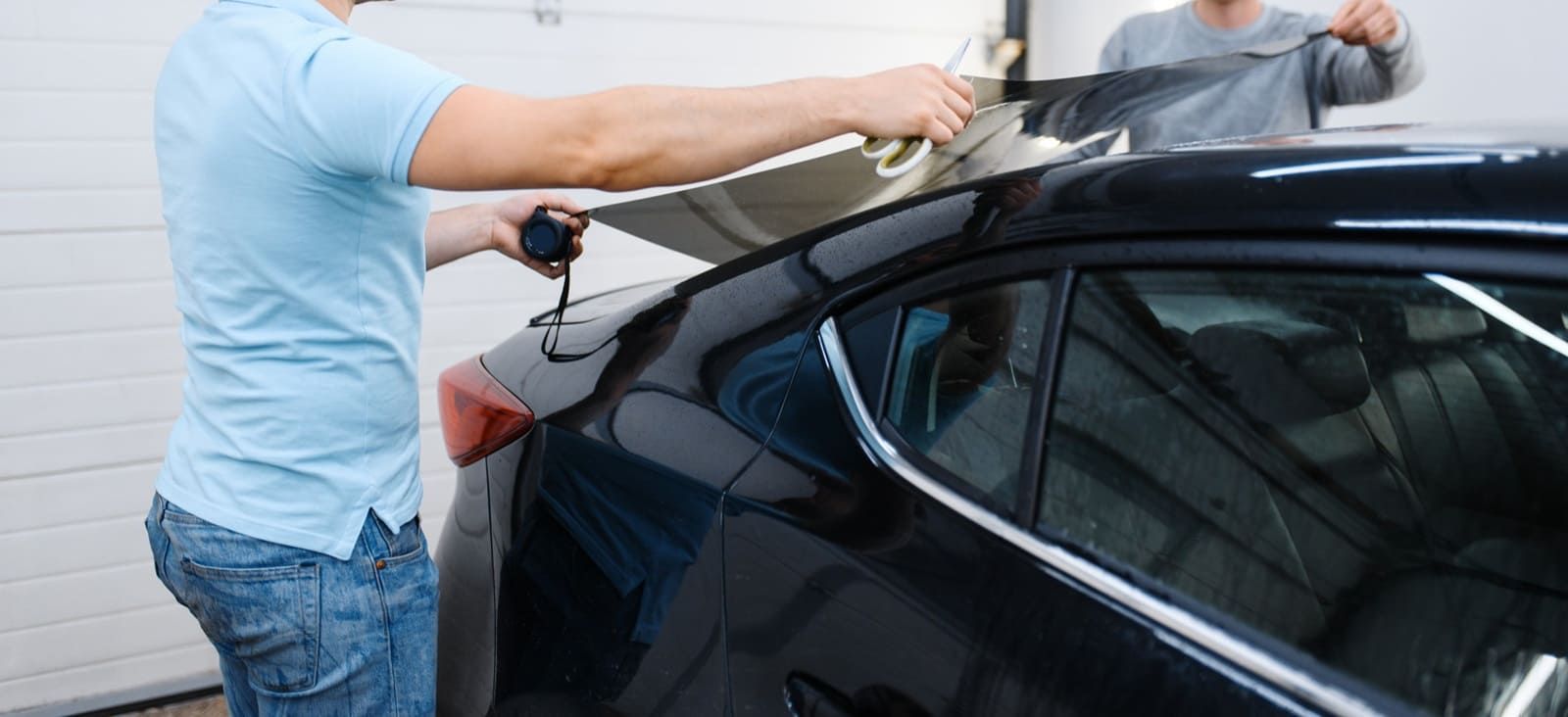
A professional PPF installation starts with a thorough wash and decontamination to remove dust, sand, and mineral deposits from the paint. Each custom-cut piece is applied with a slip solution, positioned precisely, and squeegeed down. Edges are wrapped wherever the panel allows for a cleaner, longer-lasting finish.
The film needs a short curing period afterward. Small moisture pockets or slight haze are normal at first and usually clear quickly in Arizona's dry heat. Avoid washing for the first several days.
For long-term care in the desert:
- Wash dust off regularly instead of letting it build up. A gentle hand wash or touchless wash is best.
- Remove bugs, bird droppings, and hard-water spots promptly before the heat bakes them on.
- Don't aim a pressure washer directly at film edges.
- Park in shade or a garage when possible to extend the life of both your film and your paint.
- Use a factory-recommended wax to keep the film looking like the day it was installed.
Frequently Asked Questions About PPF in Arizona
What is the best PPF for Arizona desert roads?
The best PPF for Arizona is a premium, self-healing, UV-stable film with strong resistance to yellowing and stains and a long manufacturer warranty, ideally 10 years, installed professionally with custom-cut patterns. Desert heat, UV, and gravel expose weak films quickly, so quality matters more here than almost anywhere else.
Does PPF hold up in Arizona heat?
Yes, quality PPF does. Premium films are UV stable and built to resist yellowing and cracking. The heat actually helps the self-healing topcoat erase light scratches more quickly.
Will PPF turn yellow in the Arizona sun?
Premium PPF is designed to resist yellowing, and the film installed at Cool Dreams Window Tinting carries a Limited 10-Year Manufacturer's Warranty that covers yellowing, cracking, and peeling. Budget films are much more likely to yellow in desert sun.
Does PPF protect against sand and dust storms?
Yes. PPF takes the abrasion from blowing sand and dust, so the film wears instead of your clear coat. Covered areas like the hood, bumper, and mirrors stay protected during haboobs and windy days.
How much PPF coverage do I need for dirt and gravel roads?
At minimum, full front coverage plus rocker panels and the areas behind the wheels. Off-road vehicles and trucks that regularly drive desert trails are often best served by full body coverage.
Can PPF prevent desert pinstriping from brush?
PPF absorbs many of the light scratches caused by brush and branches, and its self-healing topcoat erases a lot of them. Full body coverage gives the most complete protection for off-road driving.
Is PPF worth it in Arizona?
Yes. Arizona's combination of UV, heat, sand, and gravel wears down paint faster than most climates. PPF prevents damage that would otherwise mean touch-ups, repainting, and lower resale or trade-in value.
Can PPF be removed later?
Yes. Quality paint protection film can be safely removed at any time by a professional without damaging healthy factory paint.
Protect Your Vehicle From the Arizona Desert With Cool Dreams Window Tinting
The best PPF for Arizona desert roads in 2026 is a premium, self-healing, UV-stable film with real warranty protection, installed with precision and with enough coverage for the roads you actually drive. Whether you commute to Tucson, drive on Fort Huachuca, or explore the dirt roads of Cochise County, the right film keeps your paint looking newer for longer.
Cool Dreams Window Tinting is a family-owned business serving
Sierra Vista, Tucson, and the surrounding Arizona areas since 2001. Our expert installers are trained in the latest tools and techniques, and our
clear bra film is backed by a Limited 10-Year Manufacturer's Warranty. While your vehicle is in the shop, ask about our
auto window tint too, so you can protect your paint and your interior from the desert sun in one visit.
Ready to protect your paint from desert roads?
Call Cool Dreams Window Tinting at (520) 249-4008, visit us at 570 Bartow Dr in Sierra Vista, or
request your free PPF estimate online today.