
What’s the Best Tint for Trucks and SUVs in Arizona?
Arizona heat is not gentle on trucks and SUVs. With larger windows, more glass surface area, and a bigger cabin volume, these vehicles can trap heat faster and hold it longer than smaller cars. In Sierra Vista and across Southern Arizona, it is normal for a truck or SUV to sit in direct sun at work, at trailheads, or in a parking lot and feel like an oven when you return. That heat is more than discomfort. It can accelerate interior fading, dry out dashboards and leather, and force your air conditioner to work harder during long commutes and desert road trips.
Because of that, many drivers search for the
best
window tint to reduce interior temperatures , protect their cabin, improve comfort, and reduce glare on bright desert roads. The key is that not all tint performs the same. Film construction and quality determine
heat rejection ,
UV protection , clarity, and how well the tint holds up over years of sun exposure. This guide breaks down the options so you can
choose the best tint for your truck or SUV in Arizona.

Table of Contents
- Why trucks and SUVs benefit from premium tint
- Window tint types: dyed, metalized, carbon, ceramic
- What tint performs best in Arizona heat and sun
- Glare reduction and long-drive comfort in the desert
- UV protection and interior defense for trucks and SUVs
- Choosing the right tint percentage and film quality
- Why professional installation matters on larger vehicles
- FAQ: Truck and SUV window tint in Arizona
- Conclusion and next steps
1) Why trucks and SUVs benefit from premium tint
Trucks and SUVs typically have more glass and more cabin air to cool, so premium heat rejecting films (especially ceramic window tint Arizona drivers choose for performance) deliver a bigger comfort and protection payoff than basic films.
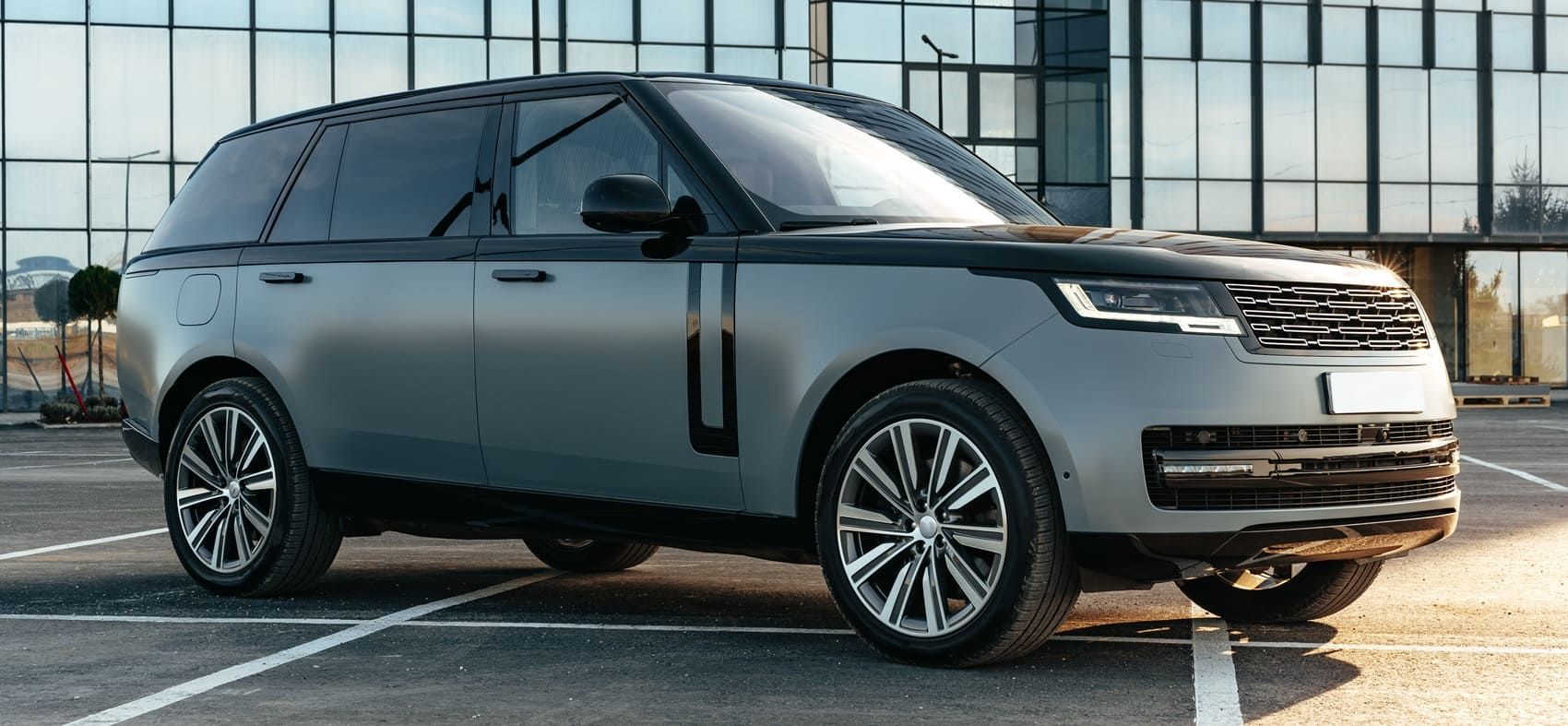
Compared with a compact sedan, most trucks and SUVs have larger side windows, bigger rear glass, and often a larger windshield area. Many SUVs also have third-row glass, cargo-area windows, and panoramic roof glass. More glass means more solar energy entering the cabin. In Arizona, solar intensity is high, and the desert environment often includes clear skies and long sun exposure during the day.
Vehicle design also matters. Trucks and SUVs commonly sit higher and can have a larger dashboard surface area exposed to sunlight. Larger dashboards and more interior trim can absorb heat and radiate it back into the cabin. Over time, that exposure can contribute to fading and cracking.
For
Sierra Vista drivers who use trucks for work, commuting, or towing, the vehicle is often parked outdoors for long stretches. For families with SUVs, getting kids into a cooler cabin quickly is a daily quality-of-life issue. Premium tint helps address that daily reality, not just the look of the vehicle.
Quick comparison: why bigger vehicles heat up faster
| Factor | Why it matters in Arizona | Why it hits trucks and SUVs harder |
|---|---|---|
| Glass surface area | More sun entering the cabin | More and larger windows, often including cargo glass |
| Cabin volume | More air to cool | Bigger interior spaces hold heat longer |
| Parking exposure | Heat soak when parked | Work trucks and family SUVs often park outside |
| Long driving conditions | Glare and sun fatigue | More windshield time on highways and open roads |
2) Window tint types: dyed, metalized, carbon, ceramic
The main tint categories differ by how they manage sunlight. Dyed films focus on appearance and glare reduction, metalized films add reflective heat control but can interfere with signals, carbon improves heat management with better stability, and ceramic delivers the strongest heat rejection and clarity with minimal signal risk.
Dyed window tint
Dyed film uses a dye layer to darken the glass. It can reduce glare and improve privacy, and it is often the most budget-friendly option. In extreme sun conditions, dyed tint can be limited in infrared heat rejection compared with premium options. Over time, lower-quality dyed film may fade or shift color, especially when exposed to intense UV.
Metalized window tint
Metalized film contains metallic particles that reflect solar energy. It can reject heat more effectively than basic dyed films. The tradeoff is that some metalized tints can impact signals such as GPS, cellular reception, and radio performance, depending on the film and the vehicle. Many modern drivers avoid heavy metalized films for that reason.
Carbon window tint
Carbon films are designed for improved heat control without the same signal interference concerns as metalized tint. Carbon tint can offer stronger heat rejection than dyed films and better long-term color stability. For many truck and SUV owners, carbon is a strong mid-tier option when budget matters but performance is still a priority.
Ceramic window tint
Ceramic film uses non-metal, nano-ceramic particles engineered to block heat, including infrared energy, while maintaining high optical clarity. This is why
ceramic window tint Arizona drivers often choose is widely considered the top performer for extreme heat. Ceramic films are also known for strong UV protection, durability, and a lower risk of signal interference.
3) What tint performs best in Arizona heat and sun
For most drivers seeking the best tint for SUVs Arizona heat and long drives, premium ceramic tint is the best overall option because it offers high heat rejection, strong UV protection, and long-term stability. Carbon is a solid second choice for value. Dyed film is typically best for appearance and budget, not maximum heat performance.
When people ask for the best window tint for trucks Arizona drivers can buy, they are usually asking one main question: Which film keeps my cabin cooler in real desert conditions? Heat control depends on more than darkness. The film’s ability to block infrared energy is a major factor, and premium ceramic films are engineered specifically for that performance.
In practical terms, a high-quality ceramic film can make a noticeable difference when your truck is parked in direct sunlight. It can also reduce that "sun-on-skin" feeling during longer drives. For Southern Arizona, where drivers often travel between Sierra Vista, Tucson, Benson, Bisbee, and beyond, that comfort difference adds up over time.
Comparison table: dyed vs carbon vs ceramic tint
| Feature | Dyed Tint | Carbon Tint | Ceramic Tint |
|---|---|---|---|
| Heat rejection | Low to moderate | Moderate to high | High (best overall) |
| UV protection | Varies by film quality | High with quality films | High (often excellent) |
| Glare reduction | Good | Good to very good | Very good (with clear visibility) |
| Signal interference risk | Low | Low | Low |
| Durability and color stability | Varies, can fade over time | Good | Excellent (premium stability) |
| Long-term value in AZ climate | Best for budget, not performance | Strong value option | Best performance and long-term value |
What “best” means for trucks and SUVs in Southern Arizona
To choose the best tint for your vehicle, define the goal first. Most Sierra Vista truck and SUV owners care about:
- Heat rejection for comfort and reduced AC load
- UV protection to protect interiors and skin
- Glare reduction for safer daytime driving
- Clear visibility , especially at dawn, dusk, and at night
- Durability for years of sun exposure
Ceramic film consistently checks these boxes. Carbon can be a smart compromise. Dyed film can be fine if your priority is privacy and glare reduction at the lowest cost, but it is usually not the best answer when your top concern is Arizona heat performance.

4) Glare reduction and long-drive comfort in the desert
Quality tint reduces harsh glare from intense sunlight, bright pavement, and reflective desert surfaces. For long commutes and road trips, this can reduce eye strain and improve driving comfort, especially for trucks and SUVs with wide windshields and elevated seating.
Southern Arizona driving often includes high sun angles and long stretches of open road. Glare is not only uncomfortable. It can reduce contrast and make it harder to see road markings, vehicles, and pedestrians. Drivers also deal with reflective glare from pale pavement, sand, and even nearby vehicles.
Window tint helps by lowering visible light transmission through side and rear glass, which reduces the brightness entering the cabin. The result is a calmer interior environment that many drivers describe as less fatiguing. This is especially helpful for people who drive for work, commute from surrounding areas, or take weekend trips across the region.
Does darker tint reduce heat more?
Not always. Darker tint reduces visible light, which helps with glare and privacy, but
heat rejection depends heavily on film technology , especially infrared blocking. A high-quality ceramic film at a legal, moderate shade can outperform a darker, basic film for heat control.
This is a common point of confusion in People Also Ask queries. Drivers often assume “darker equals cooler.” In reality, premium heat rejecting films can deliver strong performance without relying on very dark shade. That matters for visibility and compliance.
Voice search style takeaway
If you are asking, “What tint helps with glare in Arizona?” the best answer is a high-quality film that balances glare control with clear visibility. Premium ceramic and carbon films are popular choices for that balance.
5) UV protection and interior defense for trucks and SUVs
UV protection is a top reason to tint trucks and SUVs in Arizona. Quality films can block the majority of harmful UV rays, helping protect dashboards, seats, and trim from fading and cracking and reducing UV exposure for drivers and passengers.
UV damage accumulates over time. In a truck or SUV, the dashboard is often large and exposed, and many vehicles have wide center consoles and door panels that take daily sun exposure. Over months and years, that exposure can show up as fading, drying, and surface cracking.
Drivers also care about personal comfort and skin protection. If you spend hours on the road, UV exposure through glass is a real consideration. Premium films are designed to provide strong UV filtering, which supports a safer, more comfortable driving environment.
Why UV protection matters for resale value
Interior condition is one of the first things buyers notice when evaluating a used truck or SUV. Preserving the condition of leather, vinyl, and plastics can help maintain appearance and value. That is one reason premium tint can be a long-term investment, not just a comfort upgrade.
6) Choosing the right tint percentage and film quality
The best tint percentage for a truck or SUV depends on your goals (heat, glare, privacy), your driving habits (night driving vs daytime), and legal requirements. Film quality is just as important as shade, especially in Arizona.
Start with your use case
- Daily commuting: prioritize glare reduction and comfort with strong heat rejection.
- Work trucks: prioritize durability, UV protection, and heat control for long outdoor parking.
- Family SUVs: prioritize cabin comfort, kid seating comfort, and interior protection.
- Road trips: prioritize long-distance comfort, reduced sun fatigue, and consistent clarity.
Match the film type to the goal
- Maximum heat performance: ceramic window tint Arizona drivers trust for high heat rejection.
- Strong value and performance: carbon tint from a reputable manufacturer.
- Budget and appearance: dyed tint, ideally higher quality to reduce fading risk.
Common Arizona scenario: parked in direct sun
When a vehicle sits in direct sun, the interior materials absorb and re-radiate heat. Premium heat rejecting films can reduce the intensity of solar energy entering through glass, which can help slow heat buildup. For large vehicles, even a modest reduction in heat gain can feel substantial because there is more cabin space and more sun exposure through larger windows.
Premium film vs basic film: what changes
| Factor | Basic tint (typical) | Premium heat rejecting tint |
|---|---|---|
| Heat control | Often limited | Designed for high infrared heat rejection |
| Clarity over time | Can haze or fade | Better long-term optical stability |
| Color stability | More risk of purple or fading | Better fade resistance |
| Comfort on long drives | Modest improvement | Noticeable reduction in sun load and glare |
| Overall value in AZ climate | Lower upfront, may replace sooner | Higher upfront, often better long-term value |
7) Why professional installation matters on larger vehicles
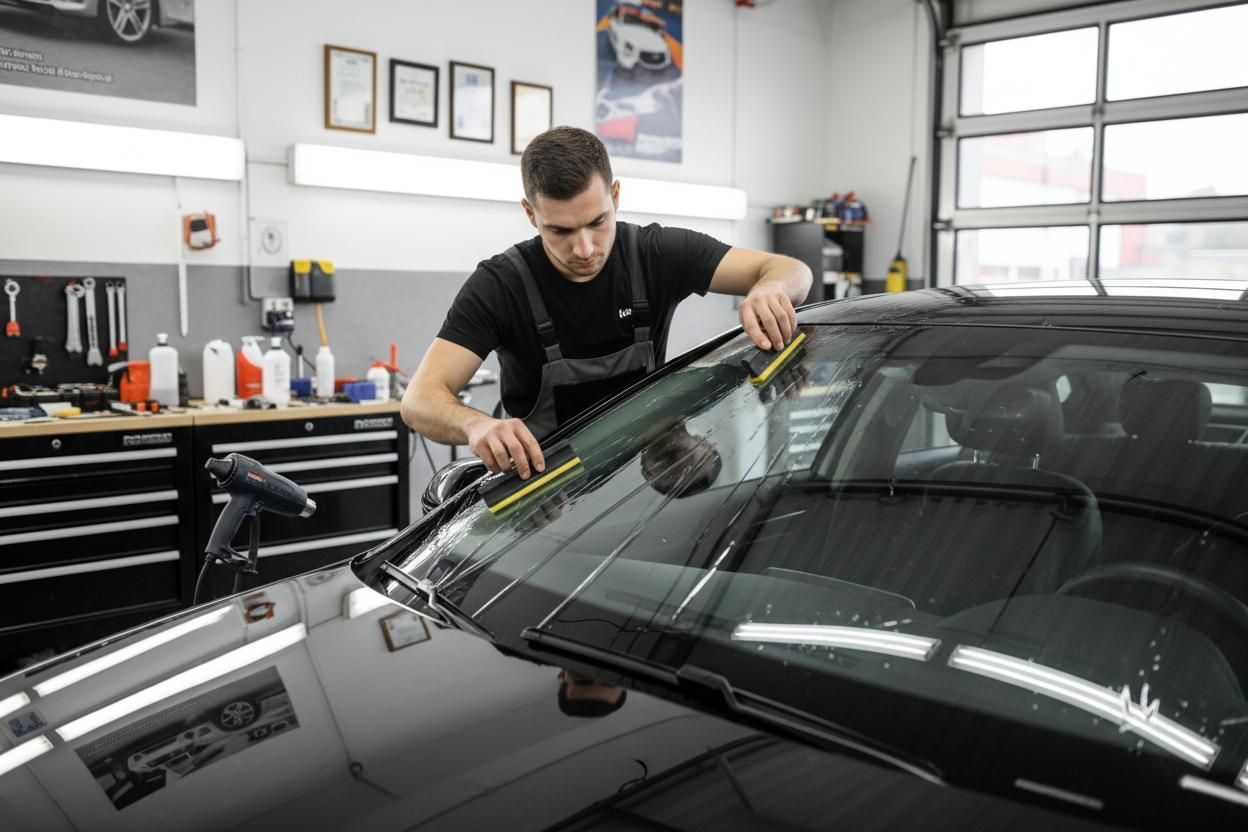
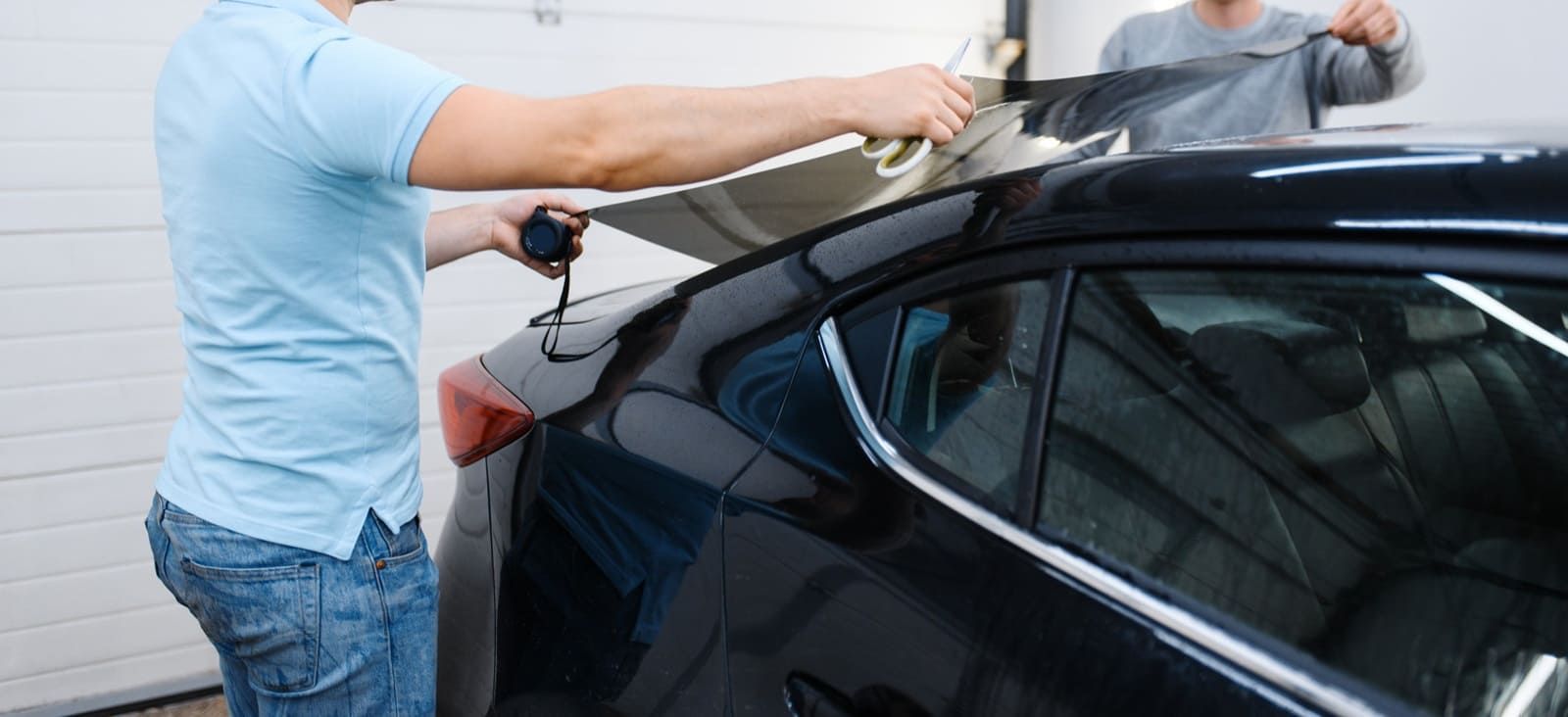
Trucks and SUVs have larger windows, more complex glass shapes, and often more total glass area. Professional installation helps ensure clean edges, proper film shrinking and forming, long-term adhesion, and a finished look that holds up in Arizona heat.
Even the best film can underperform if installation quality is poor. Dust control, correct film handling, and proper curing conditions matter. Larger vehicles can add complexity with rear cargo glass, sliding rear windows, third-row glass, and tight seals.
For drivers searching for truck window tint Sierra Vista AZ or premium window tint Sierra Vista , working with a trusted local shop matters because you can get guidance tailored to your driving conditions, film preferences, and compliance needs.
Cool Dreams Window Tinting helps truck and SUV owners choose premium window tint products designed for strong heat rejection, UV protection, glare reduction, and long-lasting clarity. The goal is not just to darken glass. It is to build a tint package that performs in the Southern Arizona sun and matches how you actually drive and park your vehicle.
FAQ: Truck and SUV window tint in Arizona
These questions are written to match common People Also Ask and voice search phrasing.
What is the best tint for trucks in Arizona?
For most drivers, premium ceramic tint offers the best heat rejection and UV protection, which is ideal for Arizona conditions.
What is the best tint for SUVs in Arizona heat?
Ceramic window tint is usually the top choice for large cabins because it targets infrared heat and maintains clear visibility.
Is ceramic window tint worth it for trucks and SUVs?
Often yes, because the comfort improvement and interior protection are amplified on larger vehicles with more glass.
Does darker tint keep your truck cooler?
Darker tint reduces glare, but heat rejection depends more on film technology than shade. High-quality ceramic can outperform darker basic tint.
What tint percentage is best for trucks and SUVs?
The best percentage depends on your privacy and visibility preferences and legal requirements. A local installer can recommend a balanced option for day and night driving.
Will window tint reduce glare on desert highways?
Yes. Quality film reduces harsh brightness and can lower eye strain during bright daytime driving.
Does window tint protect dashboards and seats from UV?
Quality films can block a large portion of UV rays, helping reduce fading and cracking over time.
Which tint lasts longest in Arizona sun?
Premium ceramic films are known for durability and color stability. Carbon can also hold up well when it is high quality.
Does window tint affect GPS, Bluetooth, or cell signal?
Metalized films can cause interference on some vehicles. Carbon and ceramic are typically chosen to reduce that risk.
Is carbon tint good enough for Arizona heat?
Carbon can be a strong value choice with good heat control, but ceramic usually performs best for extreme heat.
Will tint make it harder to see at night?
Darker films can reduce night visibility. A professional can help you choose a shade that balances glare control with safe night driving.
Should I tint the windshield on my truck or SUV?
Many drivers ask about clear heat rejecting windshield film options. Legal limits vary, so it is best to confirm what is allowed and what film is appropriate.
How long does window tint take to cure in Arizona?
Curing time varies by film and conditions. Hot, dry weather can help, but proper installation and aftercare still matter.
What should I look for in a Sierra Vista tint shop?
Look for proven experience, premium film options, clear warranty terms, and a track record of clean installs on trucks and SUVs.
Where can I get premium window tint in Sierra Vista, AZ?
Cool Dreams Window Tinting provides professional guidance and installation for trucks and SUVs using premium films designed for heat rejection and long-term clarity.
Conclusion: the best tint choice for Arizona trucks and SUVs
If your priority is beating extreme Arizona heat, protecting your interior, and improving long-drive comfort, premium ceramic tint is usually the best overall option. Carbon tint can be an excellent value alternative. Dyed films can help with appearance and glare but are typically not the best choice for maximum heat performance.
Trucks and SUVs in Sierra Vista and Southern Arizona face intense sun exposure, long parking heat soak, and bright desert driving glare. Choosing a premium heat rejecting film is one of the most practical upgrades you can make for daily comfort and long-term interior protection. For larger vehicles, the benefits are amplified because there is more glass and more cabin space to manage.
If you are researching the
best window tint for trucks Arizona drivers rely on, or the
best tint for SUVs Arizona heat conditions demand, the next step is to match film performance with your driving needs and preferred shade.
Cool Dreams Window Tinting can help you choose a premium tint package built for Southern Arizona conditions and install it professionally for lasting results.
Call or
contact Cool Dreams Window Tinting today for a
free estimate on truck and SUV window tint in
Sierra Vista, AZ. Get the heat rejection, glare reduction, and interior protection you need to stay comfortable on every drive.