
Does Window Tint Affect GPS, Bluetooth, or Car Sensors?
Modern vehicles depend on wireless signals and advanced sensors in ways most drivers never notice until something goes wrong. GPS navigation relies on satellite connections, Bluetooth powers hands free calls and audio, satellite radio streams through external antennas, and keyless entry systems communicate with your car constantly. Add in backup cameras, parking sensors, and driver assistance features and it is easy to see why people worry about
window tint car sensor issues. Those concerns did not come from nowhere. Early generation metallic tint films were built with metal layers that could reflect or disrupt radio frequencies, which led to real interference complaints in some vehicles. Even today, those stories circulate online and can make Sierra Vista drivers hesitate before upgrading their windows for heat and glare control. The good news is that window tint technology has evolved. Understanding how signals work, which film types can cause problems, and why modern non metallic options are designed for electronics compatibility helps you choose the right tint with confidence. This guide explains what you need to know before installing high performance tint in Arizona.
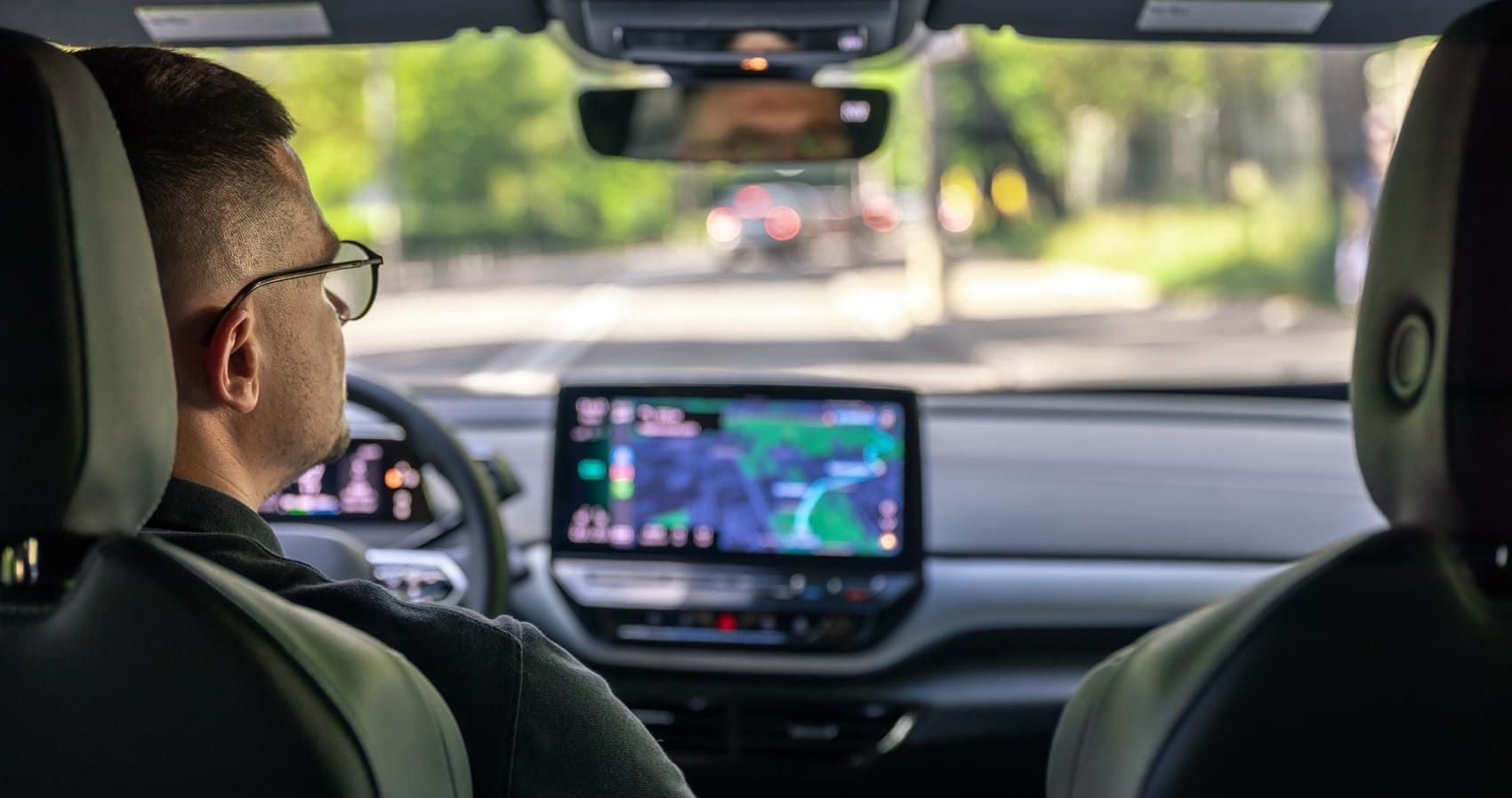
Table of Contents
1. How GPS, Bluetooth, Satellite Radio, and Sensors Operate
2. Why Metallic Tint Used to Cause Interference
3. Dyed vs Carbon vs Metallic vs Ceramic Tint
4. Why Ceramic Window Tint Is Electronics Safe
5. Windshield Tint and Antenna Placement Considerations
6. Arizona Climate Benefits of High Performance Tint
7. Why Professional Installation Matters in Sierra Vista
8. Comparison Table: Tint Types and Compatibility
1. How GPS, Bluetooth, Satellite Radio, and Sensors Operate
If you are searching “does window tint affect GPS,” the best starting point is understanding where these signals come from and how your vehicle receives them. Most modern vehicle electronics use radio frequency signals, but they do not all depend on signals passing through your side windows.
GPS navigation: GPS receivers listen for signals from satellites. Many vehicles receive GPS through a roof mounted shark fin antenna or an antenna integrated into the vehicle body. Some vehicles use an antenna inside the dashboard. GPS signals are relatively weak by the time they reach your vehicle, which is why antenna location and vehicle design matter more than window shade.
Bluetooth: Bluetooth connects your phone to your vehicle for calls and audio, operating at 2.4 GHz. It is short range and generally strong inside the cabin. Most connection issues are related to phone settings, software updates, or device compatibility rather than tint.
Satellite radio: Satellite radio uses a dedicated external antenna, often on the roof or trunk. It does not depend on signals traveling through door glass, so window film is rarely a cause of satellite reception problems.
Keyless entry and push button start: Your key fob communicates with the vehicle using radio signals. The vehicle antennas are typically located in the doors, console area, or body panels. Non metallic tint films on the glass usually do not interfere with these systems.
Parking sensors and driver assistance: Parking sensors are often ultrasonic sensors in the bumpers. Cameras may be in the rear hatch or near the mirror. Radar sensors can be behind the grille or bumpers. These systems are not affected by film on side windows because the sensors are not looking through that glass.
In other words, most modern electronics are not “looking” through your tinted side windows to function. The film type matters mainly for radio signals that might pass through glass areas where antennas are integrated.
2. Why Metallic Tint Used to Cause Interference
Window tint Bluetooth interference and GPS concerns became popular because some older tint products used metallic construction. Metallic films contain metal particles or layers designed to reflect solar energy. That reflective property can also reflect or attenuate radio signals.
Metallic tint can behave like a partial shield. Depending on the frequency, it can reduce signal strength reaching an antenna inside the car, or it can create inconsistent performance in fringe coverage areas.
Common interference complaints associated with metallic tint include:
- Weaker cell reception in low coverage areas
- More frequent satellite radio dropouts in certain conditions
- Inconsistent GPS performance in vehicles with interior antennas
- Reduced performance of toll tags or RFID transponders on windshields
Not every metallic film causes noticeable problems, and not every reported problem is caused by tint. But metallic construction increases the risk of signal issues, which is why many modern installers avoid metallic products for electronics heavy vehicles.
3. Dyed vs Carbon vs Metallic vs Ceramic Tint
To choose electronics safe tint, you need to understand the differences in tint technologies. The shade number alone does not tell you whether a film is likely to interfere with signals.
Dyed tint: Dyed film darkens the glass using dye. It typically offers basic glare reduction and privacy but lower heat rejection. It is non metallic, so it generally does not create interference concerns, though durability and color stability can vary by product quality.
Carbon tint: Carbon films use carbon particles that improve heat performance and reduce fading. Carbon is also non metallic, making it a good electronics friendly option with better performance than basic dyed film.
Metallic tint: Metallic films use metal layers to reflect heat. They can provide decent solar performance but are the most likely category to create signal compatibility issues. They can also have a more reflective appearance.
Ceramic tint: Ceramic films use non metallic ceramic particles designed to reject infrared heat and block UV rays while maintaining optical clarity. Ceramic window tint electronics safe is a common search phrase because ceramicis widely known for avoiding signal interference while delivering premium comfort.
Cool Dreams Window Tinting recommends non metallic film options for modern vehicles. If your car has built in navigation, wireless phone integration, and multiple sensors, ceramic is typically the safest high performance choice.
4. Why Ceramic Window Tint Is Electronics Safe
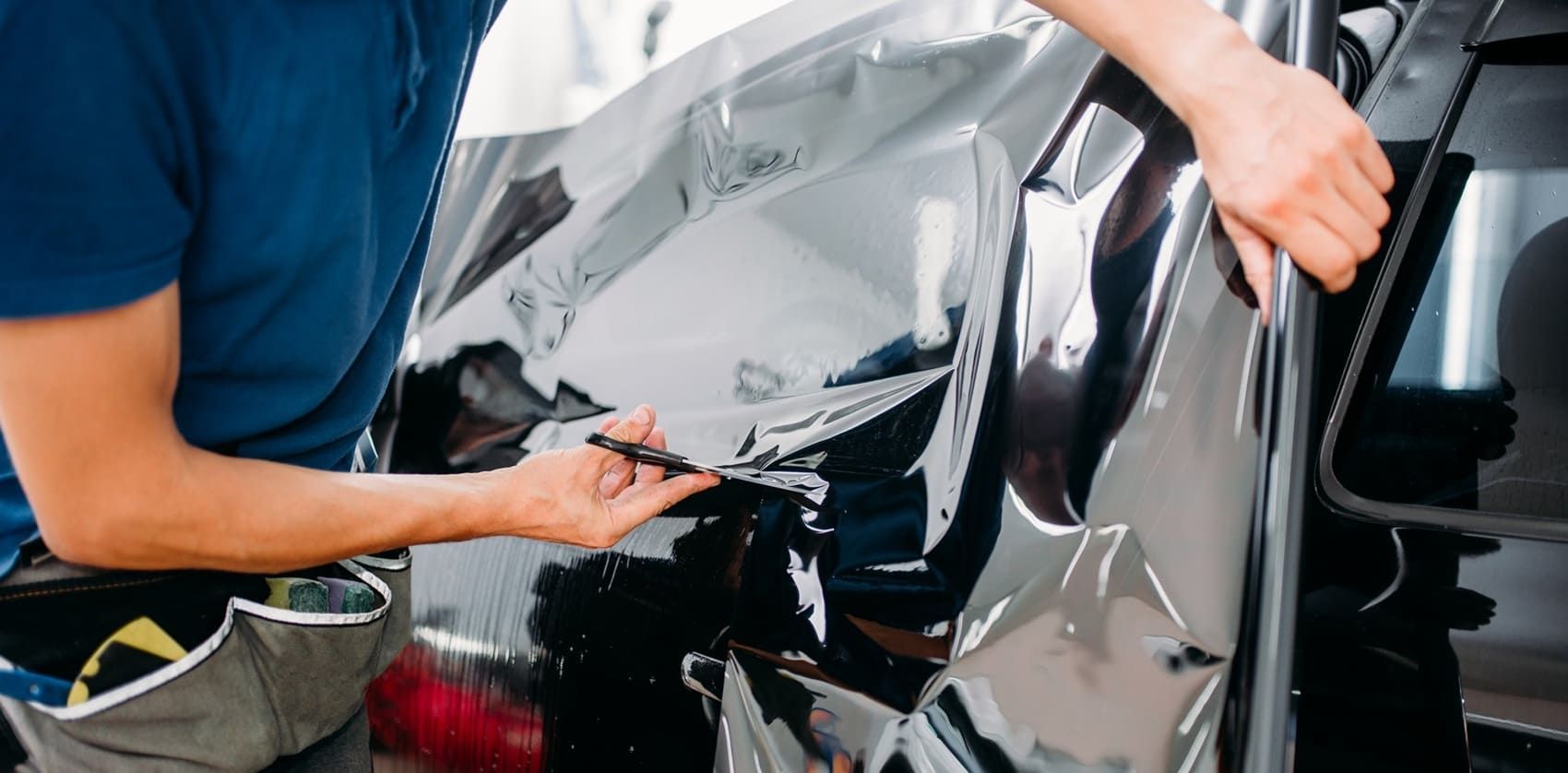
Drivers often ask whether ceramic tint blocks signals. High quality ceramic film is non metallic, meaning it does not use metal layers that can reflect radio frequencies. Instead, ceramic technology focuses on infrared heat rejection and UV blocking through advanced materials that do not interfere with signal transmission in normal vehicle use.
This is why ceramic is popular for drivers who rely on:
- GPS navigation and connected apps
- Bluetooth calls and wireless audio
- Wireless CarPlay and Android Auto
- Satellite radio and cellular connectivity
- Keyless entry and push button start systems
In Sierra Vista and surrounding areas, ceramic film also makes sense because it can reduce cabin heat and glare without needing extremely dark shades. You can choose a shade that fits
Arizona laws and still achieve strong comfort benefits.
Cool Dreams Window Tinting installs high performance automotive tint solutions designed to reduce heat and glare without compromising vehicle technology. If you want maximum comfort and minimal risk, non metallic ceramic film is the most common recommendation.
5. Windshield Tint and Antenna Placement Considerations
Windshield tint is where electronics discussions get more nuanced. Many vehicles place cameras and sensors near the rear view mirror, and some vehicles integrate antennas into the windshield or rear glass. That does not mean you cannot tint the windshield. It means you need the right film type and the right installation plan.
Key considerations include:
- ADAS camera zones: Camera based systems may require specific clear areas. A professional installer can apply film with appropriate cutouts or keep certain zones free.
- Windshield antennas: If your vehicle uses antennas embedded in the windshield, avoid metallic films. Non metallic ceramic is preferred.
- Toll tags and RFID: Some windshields have special coatings. Ask about the best placement for tags and whether the vehicle has a designated pass through area.
- Legal limits:
Arizona tint laws for windshields differ from side windows. Many drivers use a legal top strip or a very light film for heat control when allowed.
For drivers researching Sierra Vista AZ window tint, the best approach is a consultation that considers your vehicle’s antenna layout and sensor package. That is how you get comfort benefits while keeping full electronic performance.
6. Arizona Climate Benefits of High Performance Tint
Even if your main concern is electronics compatibility, it helps to understand why high performance tint is so valuable in Arizona. Sierra Vista drivers deal with intense sun, high UV exposure, and heat that can make vehicles uncomfortable fast. A good tint plan improves comfort and protects your interior.
High performance tint can help with:
- Heat reduction: Ceramic films can significantly reduce infrared heat that makes your cabin feel hot, especially through side glass.
- Glare control: Tint helps reduce harsh brightness and improves driving comfort on sunny days.
- UV protection: Blocking UV helps protect upholstery, dashboards, and skin during daily driving.
- Interior preservation: Reduced UV exposure helps prevent fading and cracking over time.
Many Arizona drivers choose ceramic not only because it is electronics safe, but because it delivers the highest comfort performance per shade level. That means you can often choose a lighter, more visible tint and still get excellent heat rejection.
7. Why Professional Installation Matters in Sierra Vista
Professional installation is not just about looks. It ensures proper film selection, correct placement, and long term durability. It also helps avoid mistakes that can affect sensors and accessories near the windshield.
A
professional shop will:
- Recommend non metallic film options for electronics compatibility
- Confirm your vehicle’s antenna and sensor layout
- Install film cleanly for optical clarity and durability
- Provide guidance on curing time and maintenance
- Help you choose legal, practical shade levels for Arizona
Cool Dreams Window Tinting positions itself as a trusted local expert in
Sierra Vista, AZ,
providing professional automotive tint solutions that enhance comfort while preserving full electronic functionality.
8. Comparison Table: Tint Types and Compatibility
Use the table below as a general reference for electronics compatibility and performance. Specific product lines vary.
| Film Type | Signal Compatibility | Heat Rejection | UV Protection | Recommended for Modern Tech |
|---|---|---|---|---|
| Dyed | High | Low to Medium | Medium | Yes, but lower comfort |
| Carbon | High | Medium | High | Yes |
| Metallic | Variable, can interfere | Medium to High | High | Not ideal |
| Ceramic | Very high | High | Very high | Best choice |
9. FAQ: Window Tint and Vehicle Electronics
Does window tint affect GPS navigation?
Most non metallic films do not. Metallic films are the main category associated with interference in certain vehicle designs.
Can window tint cause Bluetooth problems?
Bluetooth is short range and typically unaffected by tint. Most issues come from device settings or software.
Does ceramic tint block signals?
High quality ceramic tint is non metallic and is designed to maintain signal clarity. It is widely considered electronics safe.
Will tint interfere with keyless entry or push button start?
Non metallic tint typically does not interfere with these systems. If range is weak, key fob batteries are a common cause.
Can tint affect parking sensors or backup cameras?
No. Parking sensors are typically in the bumpers, and cameras are not impacted by side window film.
Can windshield tint affect GPS accuracy?
Most vehicles use roof antennas. If your vehicle has a windshield antenna, choose non metallic film and follow professional guidance.
Are there Arizona legal considerations for tint?
Yes. Arizona has VLT rules and windshield restrictions. Confirm current requirements before choosing shades.
What tint type is most likely to cause interference?
Metallic tint is most likely to interfere with signals, especially in vehicles with antennas near glass.
How do I choose electronics safe window tint?
Choose non metallic carbon or ceramic films from reputable brands and use a professional installer.
What should I test after installation?
Test GPS, Bluetooth calls, satellite radio, and keyless entry. Contact your installer if anything seems off.
10. Conclusion and Next Steps
Interference concerns are mostly tied to older metallic films. Modern non metallic tint technology is designed to provide comfort and protection without disrupting electronics. If you are asking does window tint affect GPS or worrying about window tint Bluetooth interference, the best solution is selecting a non metallic film type, especially ceramic, and having it professionally installed.
Cool Dreams Window Tinting in
Sierra Vista, AZ provides professional automotive tint solutions designed to reduce heat and glare without compromising vehicle technology.
Contact us for expert guidance and a
free estimate
for electronics safe tint options tailored to your vehicle, driving habits, and Arizona comfort needs.