
How Long Does Window Tint Last in Arizona's Extreme Sun?
Arizona is one of the hardest places in the country on window film. Extreme sun, a relentless UV index, intense cabin and glass temperatures, and daily thermal cycling create conditions that test every tint product far more aggressively than in milder climates. In Sierra Vista, Tucson, and surrounding Southeast Arizona communities, drivers and homeowners often discover that cheap or poorly installed tint fails much faster in the desert than it would in many other states. Peeling edges, bubbling adhesive, color fading, and purple discoloration are all more common when film is exposed to prolonged direct sun and repeated heat buildup year after year. That is why understanding what actually determines window tint lifespan in Arizona matters so much. Premium window film from a trusted and experienced installer can last the lifetime of a vehicle or many years on a home or commercial building even in Arizona's demanding climate, but film technology, installation quality, and proper aftercare all play a major role in whether that investment lasts or fails early.
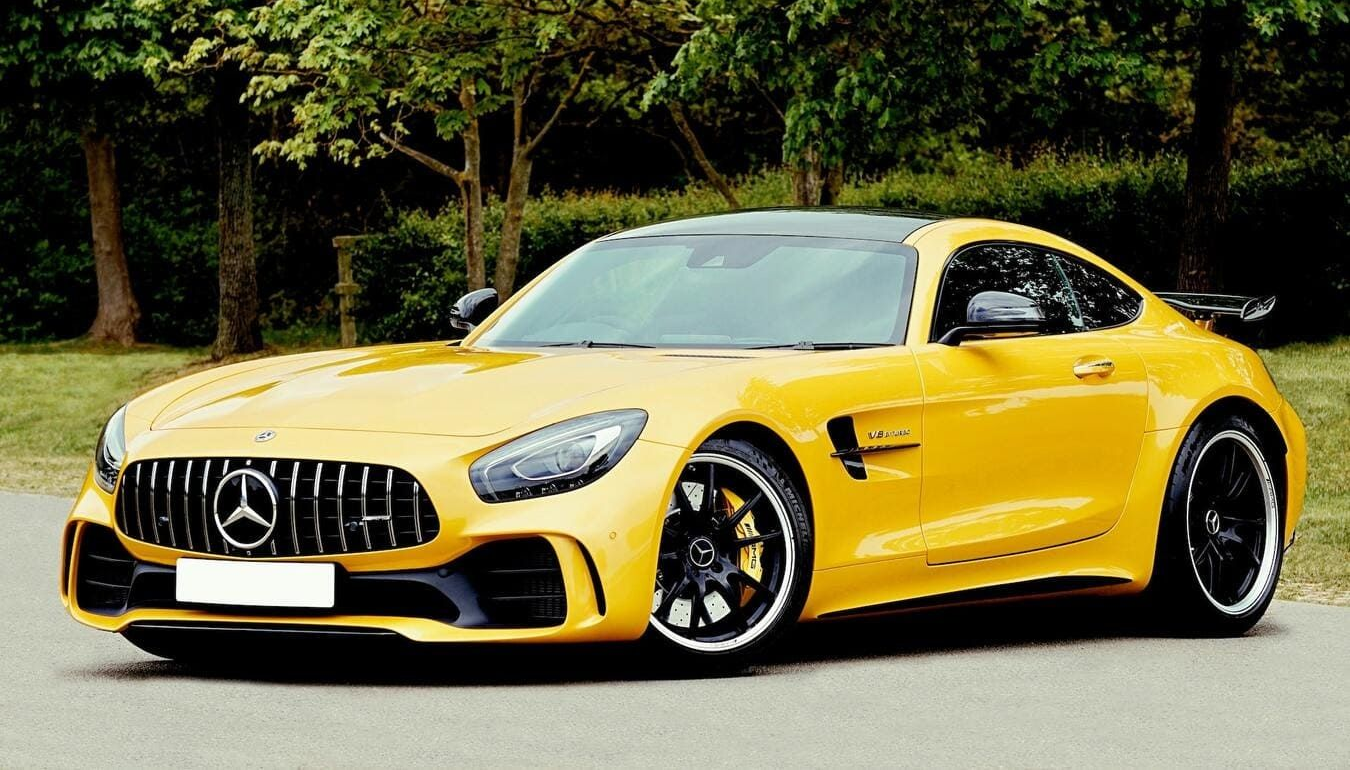
Table of Contents
- How Long Does Auto Window Tint Last on a Car in Arizona's Desert Climate?
- How Long Does Residential Window Tint Last on Home Windows in Arizona?
- How Long Does Commercial Window Tint Last on Business Buildings in Sierra Vista and Tucson?
- Why Arizona's Extreme Sun, UV Index, and Thermal Cycling Destroy Cheap Window Tint Faster
- What Causes Window Tint to Bubble, Fade, Turn Purple, or Peel in Arizona?
- How to Care for Window Tint in Arizona to Maximize Its Lifespan
- Why Film Brand and Installer Quality Are the Two Biggest Factors in Arizona Window Tint Longevity
- FAQ
- Conclusion
How Long Does Auto Window Tint Last on a Car in Arizona's Desert Climate?
For most drivers, the short answer is this: high quality auto window tint can last many years in Arizona, and premium film may last the lifetime of the vehicle when it is installed correctly and cared for properly. Lower grade film may fail much sooner under Arizona conditions.
Typical auto tint lifespan in Arizona
When people search how long does car window tint last in the desert, they are usually trying to compare premium film against cheaper dyed options. In Arizona's heat, a budget dyed film may begin showing wear in just a few years. A mid-grade carbon film often holds up longer, while premium nano-ceramic film generally offers the best long-term durability, appearance stability, and heat performance in the desert.
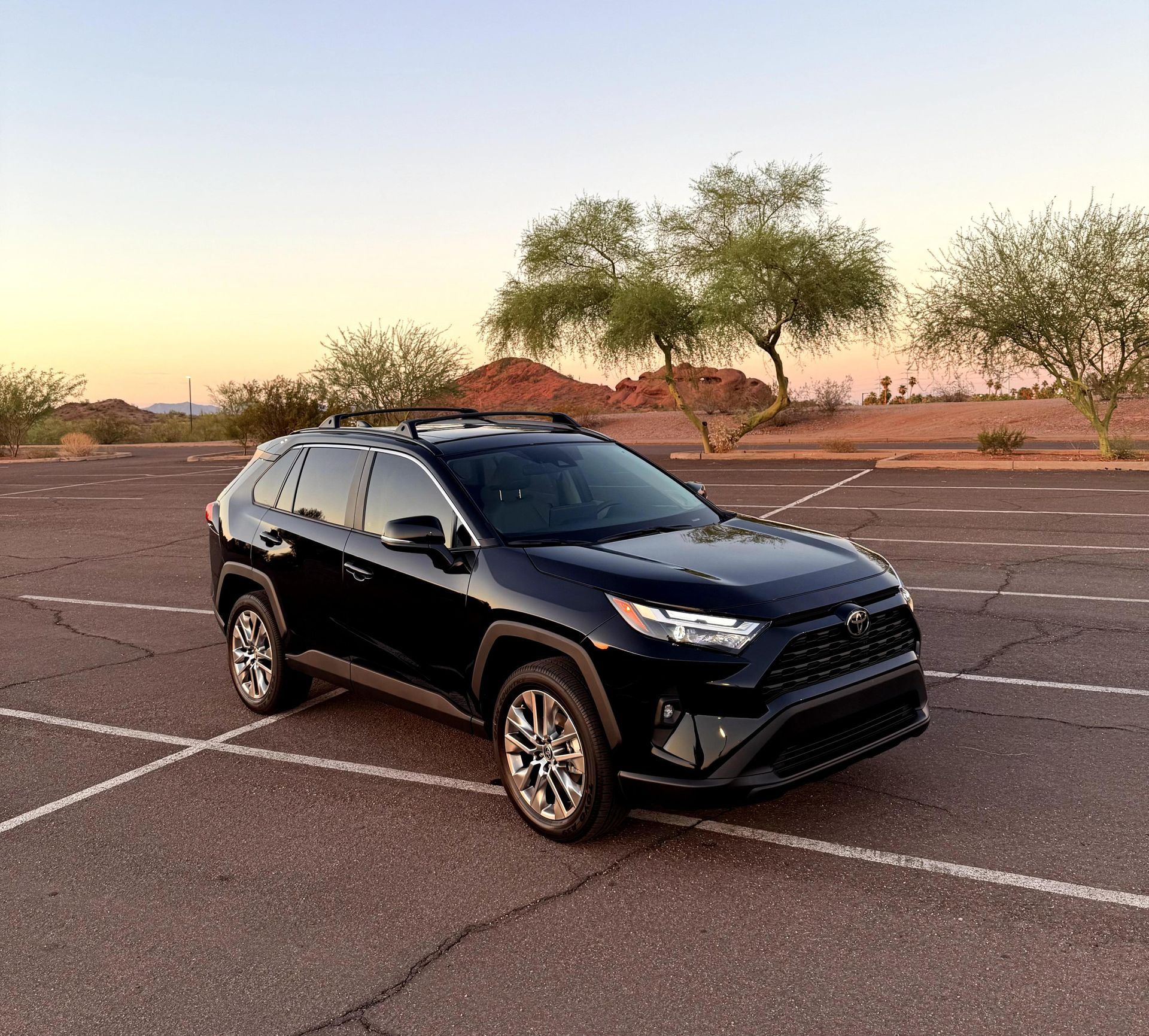
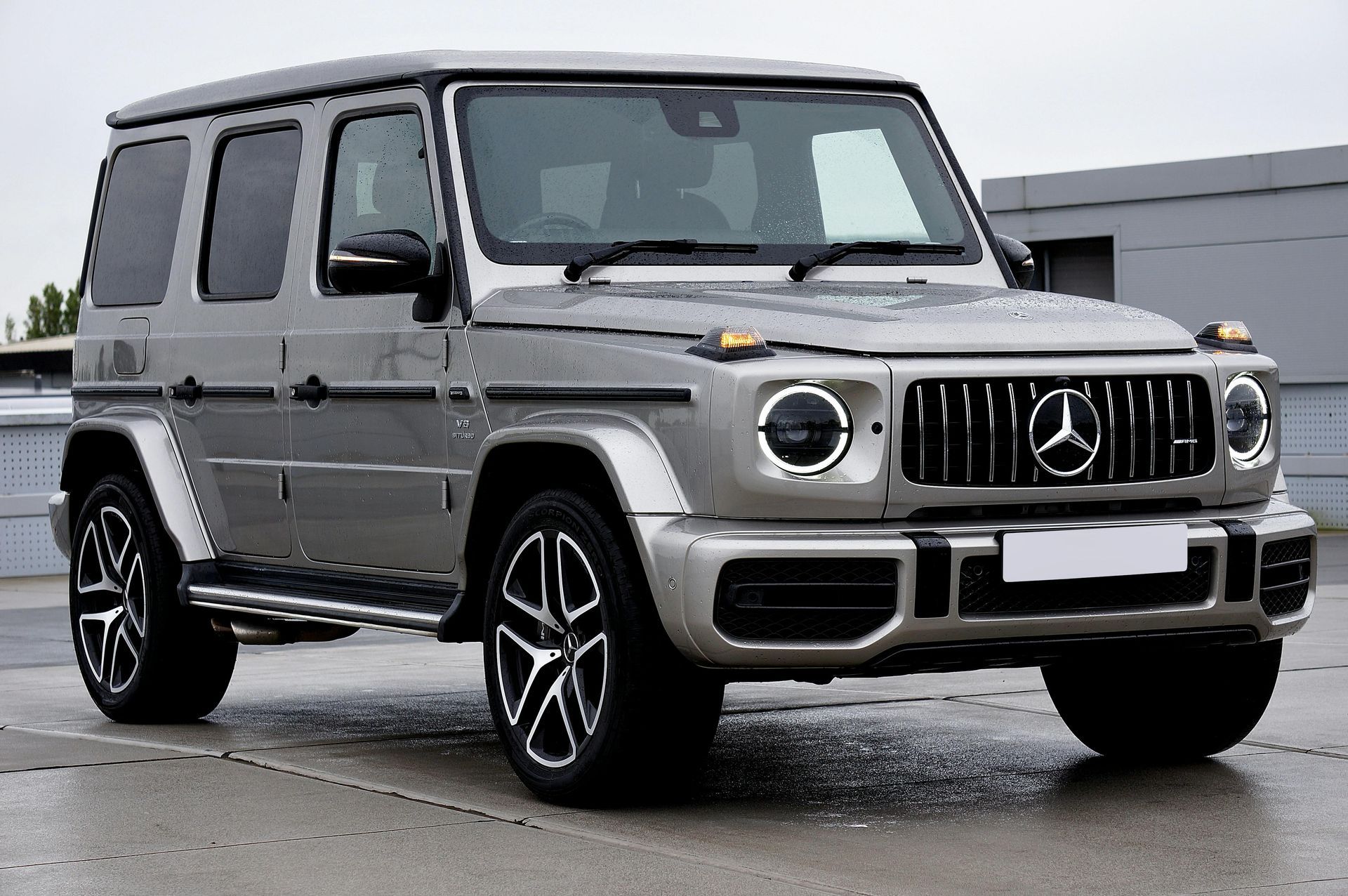
Vehicle tint in Sierra Vista and Tucson faces especially harsh conditions because cars often sit in open parking lots, on base, at work, or in driveways under direct sun for long periods. That constant exposure accelerates aging of the film, adhesive, and top layers. This is why window tint lifespan Arizona extreme heat searches are so common. The climate really does change the answer.
What makes auto film last longer
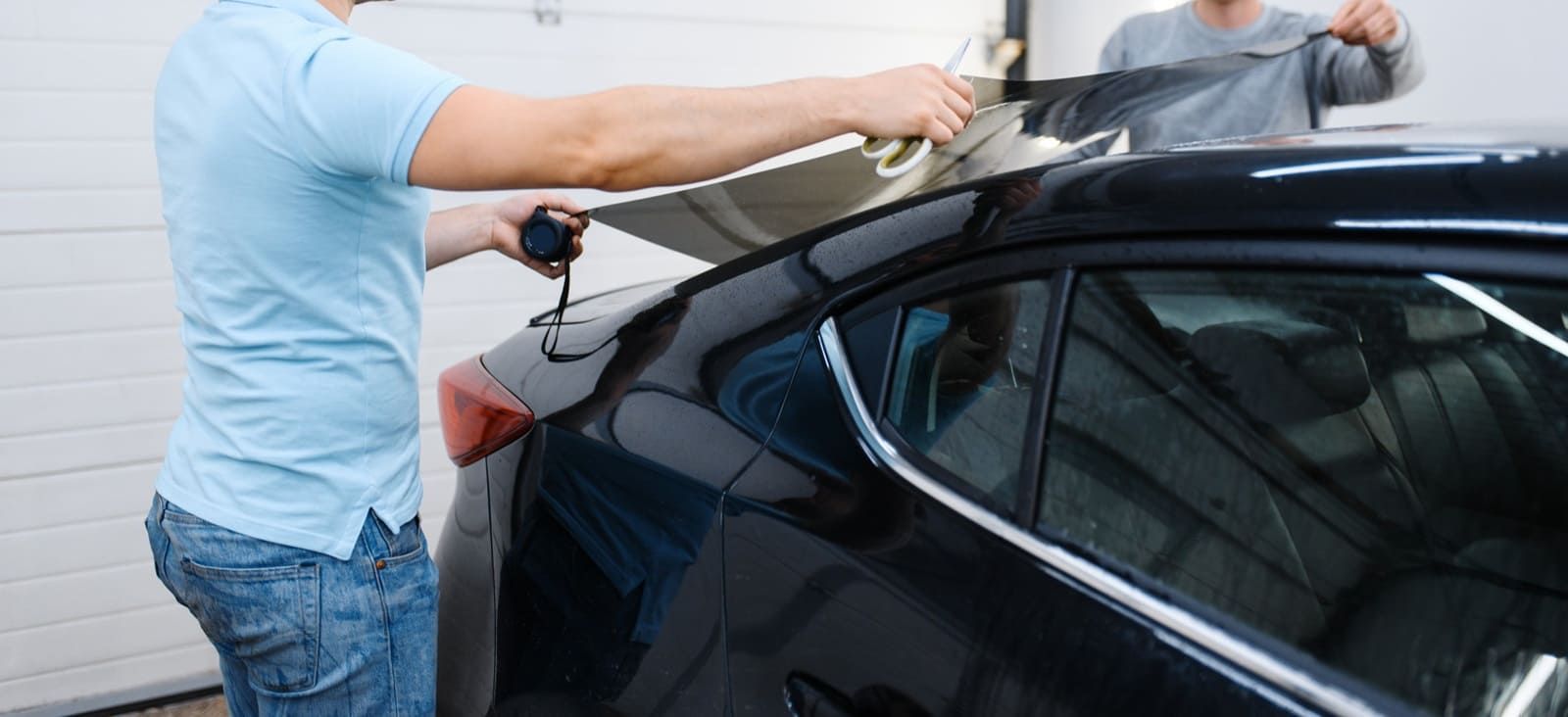
Long auto tint life depends on three things. First, the film itself must be designed to handle sustained UV exposure and high glass temperatures. Second, it needs to be installed cleanly so contamination, edge lift, and adhesive stress do not shorten its life. Third, the owner has to avoid damaging the film during the curing and maintenance stages.
In Arizona, premium solutions such as SolarFX IRFX Series, Autobahn, and other high-performance films are often chosen because they are better suited to long-term desert exposure than entry-level tint products.
How Long Does Residential Window Tint Last on Home Windows in Arizona?
Residential window film can last many years in Arizona, but lifespan depends heavily on glass type, sun exposure, film quality, and installation experience. In many homes, south-facing and west-facing windows absorb the greatest punishment and can reveal film weaknesses sooner than shaded glass.
What homeowners should expect in Arizona
Homeowners often ask how long does window tint last Tucson Arizona or how long does window tint last in Arizona because residential glass gets hit with prolonged direct solar exposure, especially in living rooms, offices, and large front-facing windows. On residential applications, high quality film can remain effective and visually stable for years, while cheaper products may show haze, peeling, edge failure, or color change much earlier.
The Arizona desert also creates strong indoor-outdoor temperature differences. During the day, glass can heat rapidly. At night, temperatures may fall quickly. That repeated expansion and contraction stresses both the glass and the film system over time.
Why residential installation quality matters
Home window film is not just about sticking tint to glass. The installer has to match the right film to the right pane and application. That includes accounting for sun exposure, dual-pane construction, and the performance goals of the homeowner. A poor match or poor install can reduce lifespan and create performance issues much earlier than expected.
For Sierra Vista and Tucson homeowners, choosing a film line designed for strong UV and solar conditions is one of the smartest ways to improve long-term value.
How Long Does Commercial Window Tint Last on Business Buildings in Sierra Vista and Tucson?
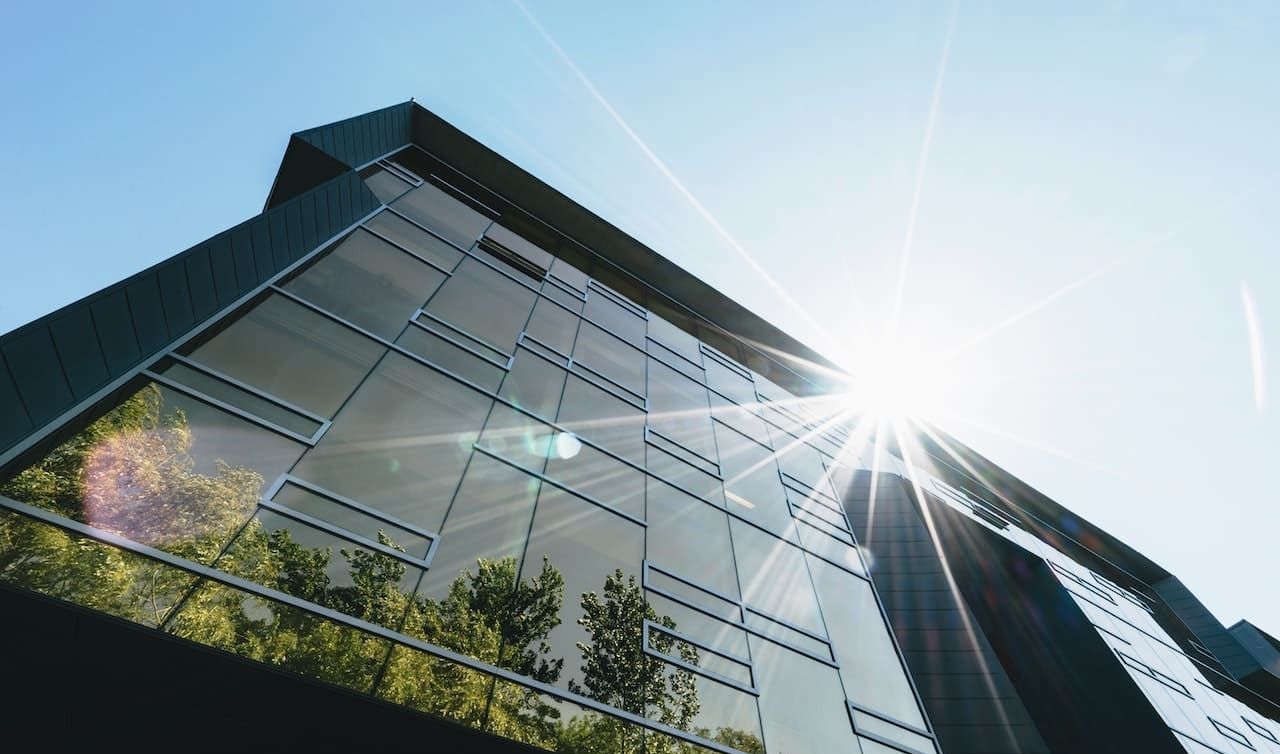
Commercial window tint can also last many years in Arizona, especially when premium architectural films are installed on the correct glass and maintained properly. However, commercial applications often cover larger spans of glass, face stronger reflective heat loads, and require careful planning to achieve the longest service life.
What affects commercial film longevity
Business buildings in Sierra Vista, Tucson, Nogales, Green Valley, Benson, and surrounding areas may have storefront glass, office glass, west-facing exposure, metal framing, or large uninterrupted panes that absorb significant heat. Those conditions can amplify thermal stress. The larger the project, the more important it becomes to use a film product and installation method intended for architectural conditions, not a one-size-fits-all approach.
Auto, home, and commercial tint lifespan comparison in Arizona
| Application | Typical Lifespan Range in Arizona | Common Failure Points | Care and Cleaning Recommendations | When Replacement Is Better Than Repair |
|---|---|---|---|---|
| Auto Window Tint | Several years to the lifetime of the vehicle depending on film grade and installation | Edge lift, bubbling, fading, scratches, adhesive breakdown | Use tint-safe cleaners, soft microfiber towels, and avoid abrasive tools | Replace when bubbling, purple discoloration, peeling, or widespread haze appears |
| Residential Window Tint | Many years with proper film selection and professional installation | Seal-edge stress, peeling, haze, solar wear on high-exposure windows | Use non-ammonia cleaners, soft cloths, and routine dust removal in Arizona conditions | Replace when appearance, heat performance, or adhesion has clearly deteriorated |
| Commercial Window Tint | Many years depending on exposure, glass type, and building conditions | Edge failure on large panes, adhesive fatigue, visual inconsistency, weathering | Regular gentle cleaning, dust management, and periodic inspection on exposed elevations | Replace when large sections show visible failure or performance is no longer consistent across the building |
Commercial owners benefit most when film selection is treated as a building-performance decision, not just a visual one. In Arizona, the right film and installer make a measurable difference in longevity.
Why Arizona's Extreme Sun, UV Index, and Thermal Cycling Destroy Cheap Window Tint Faster
Arizona is unforgiving to low-grade film. The biggest reason cheap tint fails early is that the desert exposes weaknesses faster than moderate climates do.
Arizona's climate accelerates film aging
High UV radiation breaks down lower quality dyes, coatings, and adhesives faster. Repeated heat buildup inside a vehicle or against a sun-facing window stresses the construction of the film every day. Then, once temperatures fall again, the film contracts. That process repeats over and over. Over time, cheaper materials lose stability.
This is why best window tint for Arizona heat Sierra Vista is such an important buying question. In this climate, upfront savings on low-grade tint can disappear quickly if the film needs to be replaced much sooner.
Why cheap film often becomes expensive later
Budget film may seem attractive because of the lower initial cost, but long-term cost of ownership can be much worse when replacement becomes necessary. Once bubbling, peeling, or heavy fading appears, the owner usually ends up paying for removal, reinstallation, and downtime. In Arizona, that can happen far sooner with lower quality products than many buyers expect.
Window film performance comparison for Arizona conditions
| Film Type | Expected Vehicle Lifespan in Arizona | Expected Residential and Commercial Lifespan | UV Protection Stability | Resistance to Bubbling, Fading, and Peeling | Heat Performance After 3 to 5 Years | Warranty | Long-Term Cost of Ownership |
|---|---|---|---|---|---|---|---|
| Budget Dyed Film | Often shortest lifespan in extreme desert exposure | Can age faster on high-sun windows | More likely to decline visually and cosmetically over time | Lowest resistance among these categories | More likely to lose appearance and perceived performance sooner | Varies widely by manufacturer | Can become costly if replacement is needed early |
| Mid-Grade Carbon Film | Generally longer than dyed film in Arizona heat | Better durability than budget film in many settings | More stable than basic dyed products | Better resistance to color shift and aging | Often holds performance better over time than entry-level film | Depends on manufacturer and product line | Moderate long-term value |
| Premium Nano-Ceramic Film such as SolarFX IRFX Series or Autobahn | Best long-term durability potential for desert vehicle use | Strong long-term fit for demanding residential and commercial applications | High stability under harsh UV conditions | Strong resistance to fading, color shift, and heat-related wear when professionally installed | Best category here for retaining high-level heat performance over time | Typically backed by stronger premium warranty support | Usually the best long-term value despite higher upfront cost |
What Causes Window Tint to Bubble, Fade, Turn Purple, or Peel in Arizona?
Window tint does not usually fail for one reason alone. It typically fails because heat, UV exposure, poor materials, and installation issues compound over time.
Common causes of tint failure in Arizona
The most common causes include low-quality dye construction, weak adhesives, contamination during installation, improper curing, harsh cleaning products, and constant extreme sun exposure. Purple discoloration usually points to lower grade dyed film breaking down. Bubbling often indicates adhesive failure or trapped contamination. Peeling typically starts at the edges or defroster lines when the bond weakens.
Why Arizona reveals defects faster
In cooler climates, weak film may survive longer before obvious failure appears. Arizona tends to reveal those weaknesses much sooner. Vehicles parked outside in Sierra Vista, Fort Huachuca, Tucson, or Douglas experience intense solar load for much of the year. Homes and storefronts with direct western exposure do the same.
That means even small installation flaws can become larger problems faster. Dust contamination, edge tension, poor shrinking on curved glass, or cutting corners during prep may not stay hidden for long in the Arizona sun.
How to Care for Window Tint in Arizona to Maximize Its Lifespan
Good care will not turn low-quality film into premium film, but it can absolutely help quality tint last longer. For anyone searching window tint care Arizona sun, the goal is simple: protect the film surface and avoid stressing it unnecessarily.
Post-installation care matters first
After a new tint installation, follow the installer's curing instructions closely. On vehicles, that usually means waiting the recommended amount of time before rolling windows down or cleaning the glass. Arizona heat can speed curing in some situations, but it does not eliminate the need to let the adhesive stabilize fully.
Best practices for Arizona tint care
- Use ammonia-free, tint-safe glass cleaners
- Clean with soft microfiber towels rather than paper towels or abrasive pads
- Avoid scraping the inside of tinted glass with blades or hard tools
- Remove dust regularly, especially in Arizona's dry and dusty environment
- Inspect edges and defroster areas periodically for early warning signs
When to replace instead of trying to fix
Minor cosmetic concerns may be worth evaluating, but bubbling, peeling, widespread haze, or purple discoloration usually mean replacement is the better solution. Once the film system is failing broadly, patchwork repair rarely restores the look or performance owners want.
Why Film Brand and Installer Quality Are the Two Biggest Factors in Arizona Window Tint Longevity
If there is one clear takeaway for Arizona buyers, it is this: film brand and installer quality matter more here than almost anywhere else. Arizona's climate is too harsh for low-grade products and rushed workmanship.
Why the film brand matters
Premium film lines are built for higher durability, better optical stability, and stronger heat management over time. For Arizona conditions, that is especially important. Cool Dreams Window Tinting serves Sierra Vista, Tucson, and surrounding Arizona areas with a diverse lineup selected for demanding desert conditions, including Autobahn Window Tint, Hüper Optik Films, Edge Window Films, and the full SolarFX Window Films lineup. That lineup includes the IRFX Series, HybridFX Series, UltraFX Series, Carbon FX Series, Black FX3 Series, FXtreme2 Series, FX Plus Series, Classic Series, and Vintage Series.
Among those options, premium films such as SolarFX IRFX nano-ceramic, Autobahn, and Hüper Optik are often favored when buyers want long-term performance in Arizona's UV and heat. They are positioned as higher-end solutions for customers who care about durability and long-term comfort.
Why installation quality matters just as much
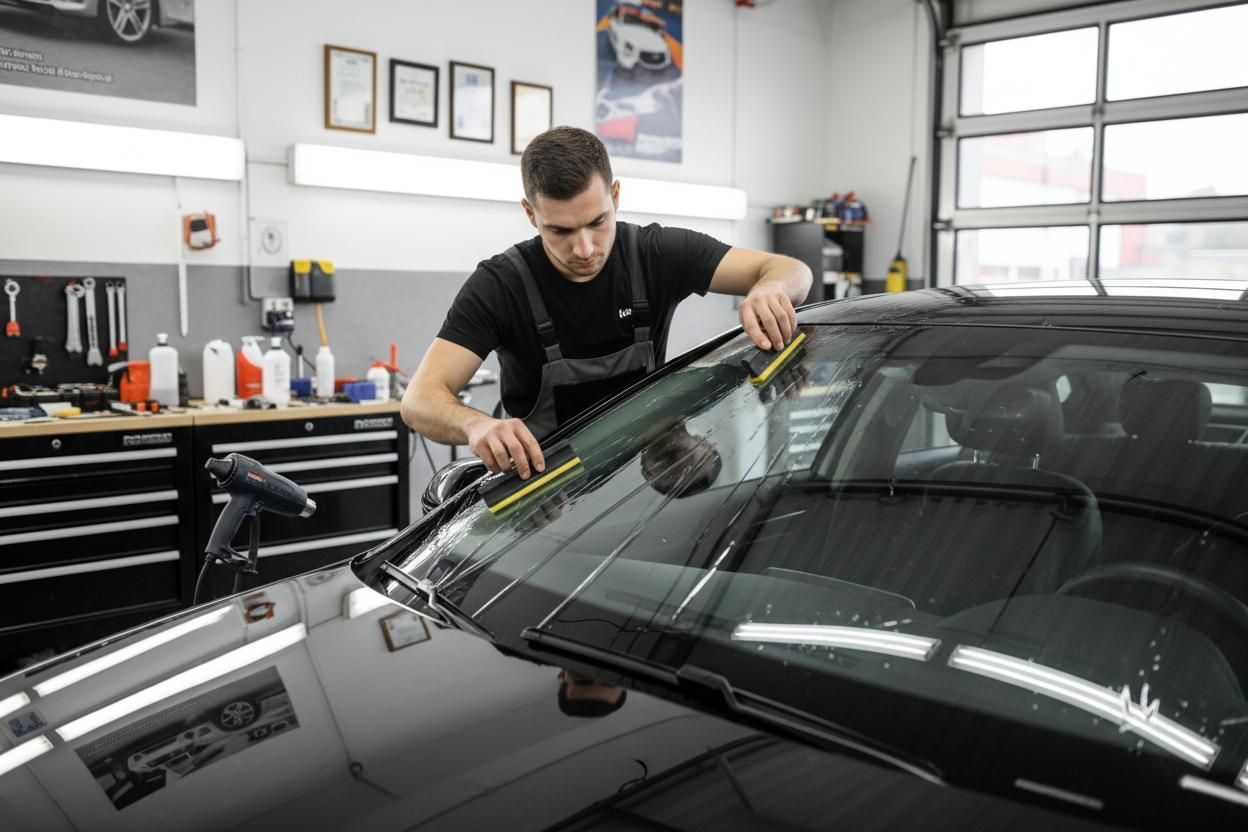
Even the best film can underperform if it is installed poorly. Precision prep, clean glass, accurate shrinking, careful edge finishing, and correct film selection for each application all influence how long tint lasts. Expert technicians help ensure the film is installed in a way that allows it to reach its full potential lifespan.
That is where an experienced local shop matters. For customers searching window tinting near me Sierra Vista AZ, installer reputation should be part of the buying decision, not an afterthought. In Arizona, the difference between a budget install and a precision install often becomes obvious with time.
FAQ
How long does window tint last on a car in Arizona's heat?
High quality auto tint can last many years in Arizona, and premium film may last the lifetime of the vehicle. Lower quality dyed film usually fails sooner in desert conditions.
Why does window tint bubble and peel faster in Arizona than other states?
Arizona's extreme UV exposure, high glass temperatures, and repeated thermal cycling put more stress on film and adhesive than milder climates do.
What type of window tint lasts longest in Arizona's extreme sun?
Premium nano-ceramic and other high-performance films generally offer the best long-term durability in Arizona's climate.
How long does residential window tint last on home windows in the Arizona desert?
High quality residential film can last many years, especially when matched correctly to the glass and professionally installed.
What causes window tint to turn purple or change color in Arizona sun?
That is usually a sign of lower grade dyed film breaking down under strong UV exposure.
How soon after tinting can I roll down my car windows in Arizona heat?
You should follow the installer's curing guidance. Heat can influence cure time, but it is still important to wait the recommended period before rolling windows down.
How do I clean and care for window tint in Arizona's dusty desert environment?
Use ammonia-free cleaners, soft microfiber cloths, and gentle cleaning methods. Regular dust removal helps reduce surface wear.
Does ceramic or nano-ceramic tint last longer than carbon tint in Arizona?
In many cases, premium ceramic and nano-ceramic films offer stronger long-term durability and stability than basic or mid-grade carbon products in Arizona's extreme conditions.
How can I tell if my window tint needs to be replaced in Sierra Vista or Tucson?
Common signs include bubbling, peeling edges, widespread haze, discoloration, purple tint, or clear performance decline.
Does Cool Dreams Window Tinting offer PPF in addition to window tinting in Sierra Vista?
Yes. Cool Dreams Window Tinting also offers Paint Protection Film services in addition to auto, residential, and commercial window tinting.
Conclusion
Arizona's extreme sun, intense UV exposure, and daily desert thermal cycling make window film quality and installer expertise the two biggest factors in determining how long tint lasts in Sierra Vista, Tucson, and surrounding Southeast Arizona communities. In this climate, lower-grade dyed products are far more likely to fade, bubble, peel, or discolor earlier, while premium high-performance films are built to hold up longer and perform more consistently over time.
That is why premium solutions such as SolarFX IRFX nano-ceramic, Autobahn, and Hüper Optik are often the smarter long-term investment for Arizona drivers, homeowners, and business owners who want reliable UV protection, heat rejection, and visual stability. Just as important, those films need to be installed by experienced technicians using clean, precise methods that allow the product to perform to its full potential.
Cool Dreams Window Tinting is Sierra Vista's number one window tinting and Paint Protection Film company, proudly serving Sierra Vista, Tucson, Bisbee, Douglas, Fort Huachuca, Nogales, and surrounding Southeast Arizona and Cochise County areas with expert craftsmanship and a premium film lineup selected for Arizona's demanding climate. To get started, call (520) 249-4008 , request a free estimate online, or visit cooldreamstint.com for auto, residential, or commercial window tinting and PPF services using high-performance film products built for Arizona's extreme sun.