Is Ceramic Tint Worth It in Arizona Heat in 2026?
In Southern Arizona, the question is not whether the sun is intense. It is whether your windows are doing enough to protect you from it. In Sierra Vista, Tucson, and surrounding areas, triple-digit summer heat and relentless direct sun can push vehicle interiors and rooms to uncomfortable extremes while increasing cooling demands and fading materials over time. That is why many people start with the same question in 2026: is ceramic tint worth the extra cost? Ceramic film usually costs more upfront than dyed or carbon options, so it is reasonable to ask whether the upgrade truly pays off. For many Arizona homeowners and vehicle owners, the answer is yes. Ceramic tint can be a smart long-term investment for heat relief, UV protection, and overall comfort. Still, the right choice depends on budget, how long you plan to keep the home or vehicle, how much heat reduction you need, and whether signal-sensitive electronics are part of the equation.

Table of Contents
- Why Arizona heat is uniquely demanding on vehicles and homes
- What makes ceramic tint different from dyed and carbon film
- Heat and UV performance: what ceramic tint actually blocks
- The real cost of ceramic tint versus cheaper film options in 2026
- Is ceramic tint worth it for Arizona heat and why
- Ceramic vs carbon vs dyed film comparison
- Other factors that affect whether ceramic tint is worth it
- FAQ
- Conclusion
Why Arizona Heat Is Uniquely Demanding on Vehicles and Homes
Southern Arizona sun is intense for long stretches of the year
Arizona heat is different because it is not limited to a short summer spike. In Sierra Vista, Tucson, and nearby communities, high sun exposure can affect homes and vehicles for much of the year. Summer brings the harshest conditions, but long bright seasons mean surfaces, glass, interiors, and cooling systems face ongoing stress well beyond a few peak weeks.
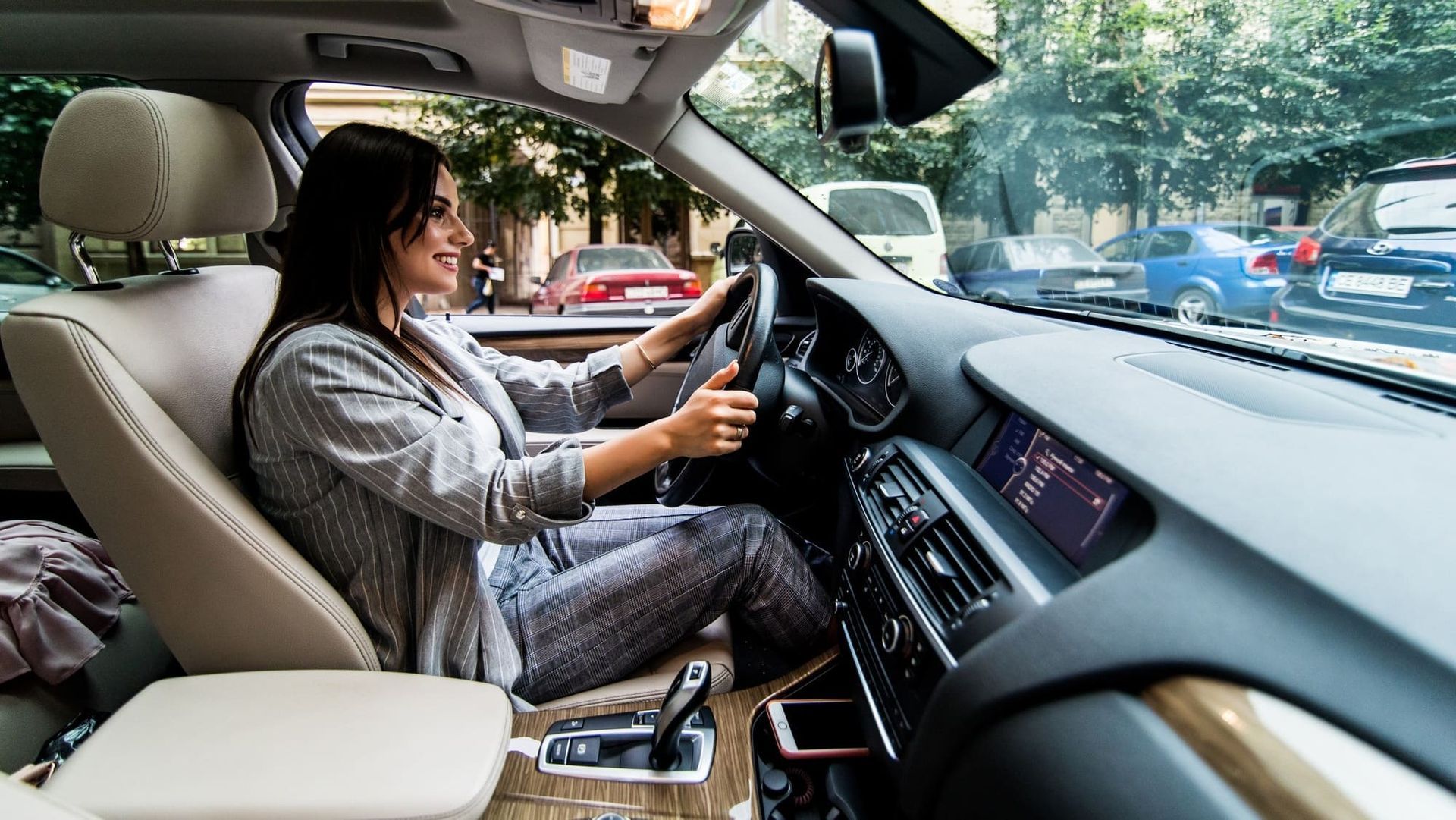
For drivers, that means parked vehicles can become brutally hot in a short amount of time. Dashboards, seats, steering wheels, and door panels absorb direct solar energy and radiate it back into the cabin. For homeowners, west-facing windows, large glass doors, and bright rooms can create hot zones that are harder and more expensive to cool. This is why searches for the best window tint for Arizona sun remain so common. People are not simply chasing a cosmetic upgrade. They are looking for heat control that holds up under desert conditions.
Heat affects comfort, interiors, and energy use
The most obvious problem is comfort. A hotter car is harder to cool when you first get in. A hotter room can stay uncomfortable long into the afternoon. But the effects go beyond comfort alone. Prolonged UV and solar exposure can contribute to fading on upholstery, flooring, trim, and furnishings. That means tint is often evaluated as both a comfort product and a protective product.
In homes, unmanaged solar gain can increase cooling load during the hottest parts of the day. In vehicles, it can make the air conditioner work harder to restore a tolerable cabin temperature. While tint is not a replacement for air conditioning, it can help reduce solar heat entering through the glass in the first place.
Extreme desert conditions expose differences in film quality
Arizona is a tough environment for lower-grade film. Under intense heat and sun, the difference between premium film and budget film becomes more important over time. A film that seems acceptable at installation may not inspire the same confidence years later if fading, bubbling, or discoloration appear. That is one reason the question is ceramic tint worth it matters so much in Southern Arizona. This climate tends to reward better materials and long-term thinking.
What Makes Ceramic Tint Different From Dyed and Carbon Film
Dyed film is usually the budget starting point
Dyed tint is often chosen because it is more affordable upfront. It can improve appearance, reduce some glare, and provide basic privacy benefits. For shoppers with a tight budget, it may seem like the simplest way to get tinted windows. However, dyed film is usually the entry-level option in a performance comparison. In Arizona heat, that matters because drivers and homeowners often need more than a cosmetic change.
When people compare ceramic tint cost 2026 with lower-cost products, dyed film is usually the baseline. It can work for limited expectations, but it is not typically the top performer for heat rejection or long-term stability under desert sun.
Carbon film is a stronger mid-range option
Carbon film is generally viewed as a step up from dyed film. It is often selected by buyers who want better heat management, a more refined look, and stronger durability than basic film without jumping all the way to premium ceramic pricing. For some Arizona customers, carbon can be a reasonable middle-ground option when budget matters and top-tier heat control is not the only priority.
That said, carbon still usually sits below ceramic when maximum heat rejection, clarity, and long-term value are the main goals. For people in Tucson or Sierra Vista who deal with daily sun exposure, that distinction can become more meaningful over the years.
Ceramic film uses advanced non-metallic technology
Ceramic tint stands out because it uses advanced non-metallic ceramic particles engineered to improve solar performance without relying on metal layers. This matters for two reasons. First, ceramic is commonly selected for premium heat rejection and strong UV protection. Second, because it is non-metallic, it is often preferred by people who want to avoid issues with phone signal, GPS, wireless devices, or remote systems.
That combination is why ceramic window tint Arizona heat searches tend to lead to premium products rather than budget ones. Buyers are often looking for a film that does more than darken glass. They want a film designed for serious heat control and daily use in extreme conditions.
Premium film lines make the upgrade easier to understand
Cool Dreams Window Tinting offers premium ceramic film options including the SolarFX IRFX Series and Hüper Optik window films. These product lines help frame the ceramic value discussion clearly. The goal is not to claim that one film solves every heat problem. The goal is to provide a higher-performing option for homeowners and vehicle owners who want a premium solution for Arizona sun, comfort, UV protection, and long-term performance.
Heat and UV Performance: What Ceramic Tint Actually Blocks
Ceramic tint is often chosen for stronger heat rejection
If the main question is whether ceramic tint really blocks more heat than other films, the answer is generally yes. Ceramic film is widely chosen because it can provide stronger overall solar control than dyed film and usually outperforms carbon when heat rejection is the top concern. In Arizona, where intense direct sun is part of daily life, that difference can matter in both homes and vehicles.
Many buyers want to know whether the improvement is just technical marketing or something they will actually notice. In practical use, ceramic tint can help reduce solar heat buildup, soften the intensity of direct sunlight, and make spaces feel easier to cool. The exact result varies by glass, structure, vehicle type, and installation scope, but the performance advantage is a major reason ceramic remains the premium category.
Infrared control is a major part of the comfort difference
Infrared energy contributes heavily to the heat people feel through glass. Premium ceramic films are often selected because they are engineered to manage this part of the solar spectrum effectively. That does not mean the driver or homeowner should compare products based on one headline number alone, but it does explain why ceramic often feels better in real conditions.
In a vehicle, that can mean less punishing radiant heat on the side of the body facing the sun. In a home, it can mean less intense hot-spot buildup near bright windows. When people ask if ceramic tint is worth it, this is often what they are really asking about. They want to know if the lived experience improves enough to justify the cost.
UV protection helps preserve interiors over time
Ceramic tint is also valued for strong UV protection. This matters because Arizona sun is not only uncomfortable. It can be hard on interior materials over time. In homes, UV exposure may affect flooring, furniture, fabrics, and finishes. In vehicles, it can affect seats, dashboards, trim, and overall cabin aging. Quality film can support long-term preservation while also contributing to daily comfort.
Glare reduction and clarity improve usability
Glare is not the same thing as heat, but it still affects everyday quality of life. On the road, strong glare can make driving more tiring. At home, glare can make bright rooms harder to use comfortably. Ceramic film can help reduce glare while preserving strong visual clarity, which is one reason it appeals to buyers who want performance without compromising the overall look and usability of their windows.
The Real Cost of Ceramic Tint Versus Cheaper Film Options in 2026
Ceramic usually costs more upfront
There is no avoiding the central concern. Ceramic tint cost 2026 is higher than dyed or carbon in most cases. That is true for automotive applications and often true for residential projects as well. The added cost reflects the premium materials and performance category rather than just a brand label.
For shoppers comparing window tint near me, the price gap can make carbon or dyed film look attractive at first. If the decision is based only on installation cost, ceramic may feel harder to justify. But the most useful comparison is not only upfront price. It is what each option delivers over time under Arizona conditions.
Lower-cost film can become more expensive if it underperforms
A cheaper film can seem like the better deal until it needs replacement sooner or fails to deliver the comfort expected in a desert climate. If the film fades, discolors, or simply does not provide enough heat reduction for the way the property or vehicle is used, the owner may end up paying twice. This is one reason homeowners and vehicle owners often revisit ceramic after first looking at basic pricing alone.
Cost-per-year is often a better way to compare value
For Arizona buyers, cost-per-year value often tells the more honest story. A film that lasts longer and performs better through years of extreme sun may offer stronger value than a lower-priced product with a shorter useful life or lower satisfaction level. This is especially true for people who plan to keep a vehicle for several years or stay in a home long enough to benefit from ongoing comfort and potential cooling savings.
That is why the conversation around window tinting Sierra Vista and window tinting Tucson often shifts from price alone to long-term ownership value. In a climate this demanding, durability and performance deserve a larger place in the buying decision.
Is Ceramic Tint Worth It for Arizona Heat and Why
Short answer: for many Arizona buyers, yes
For many Southern Arizona homeowners and vehicle owners, ceramic tint is worth it in 2026. The reason is not just that it is premium. The reason is that Arizona heat is strong enough to make the extra performance meaningful. Better heat rejection, strong UV protection, no metal-based signal concerns, and long-term durability can combine into an upgrade that feels worthwhile every hot season.
This is especially true for people who park outdoors, drive daily, live with strong afternoon sun, or have rooms that overheat because of window exposure. In those situations, the real-world benefit of ceramic tends to be easier to appreciate.
When ceramic makes the most sense
Ceramic is usually the strongest fit for people who want maximum heat relief, plan to keep their vehicle or home for years, care about long-term appearance and performance, or rely on electronics that they do not want affected by film choice. For those buyers, premium ceramic products such as the SolarFX IRFX Series and Hüper Optik films are often the most aligned with their goals.
When a cheaper option may still make sense
Ceramic is not automatically the right answer for every project. If the budget is strict, the vehicle is temporary, or the space only gets modest sun exposure, carbon or even dyed film may still be reasonable in some cases. The right answer depends on use case. A good recommendation should match the film to the customer's needs rather than pushing the same product for every scenario.
Why 2026 buyers still lean premium in Arizona
In 2026, the value case for ceramic remains strong because energy awareness, long-term ownership costs, and daily comfort all matter more than ever. Buyers are not only asking what costs less today. They are asking what will still feel like the right decision after multiple Southern Arizona summers. That is where ceramic often separates itself from cheaper alternatives.
Ceramic vs Carbon vs Dyed Film Comparison
Main feature comparison table
| Film Type | Heat Rejection | Infrared (IR) Rejection | UV Protection | Glare Reduction | Visual Clarity | Signal Interference (Phone, GPS, Remotes) | Lifespan / Warranty Considerations |
|---|---|---|---|---|---|---|---|
| Dyed Tint | Basic | Low | Good on quality films | Moderate | Moderate | Typically none from non-metallic film | Shortest lifespan of the three; more vulnerable to fading or discoloration depending on product |
| Carbon Tint | Moderate | Moderate | Strong on quality films | Strong | Good | Typically none | Better long-term stability than dyed film; product and installer quality still matter |
| Ceramic Tint | Best overall | High | Strong on premium films | Strong | Excellent | Typically none | Best long-term durability of the three; often preferred for extreme-heat environments |
Cost-per-year value comparison
| Film Type | Upfront Cost | Expected Long-Term Value in Arizona Sun | Best Fit |
|---|---|---|---|
| Dyed Tint | Lowest | Lowest long-term value if performance or lifespan falls short | Strict budget installs |
| Carbon Tint | Mid-range | Good balance when budget matters and premium performance is not essential | Buyers seeking a middle-ground solution |
| Ceramic Tint | Highest | Often strongest cost-per-year value for long-term owners in harsh sun | Buyers prioritizing comfort, heat control, and durability |
How to read the comparison correctly
The key is not to ask which option is cheapest in the moment. The better question is which option aligns best with your climate, goals, and ownership timeline. In Arizona, where heat is severe and constant, premium performance can become easier to justify than it would be in a milder environment.
Other Factors That Affect Whether Ceramic Tint Is Worth It
Vehicle and home needs are not always identical
A driver dealing with outdoor parking, long commutes, and daily stop-and-go heat may prioritize cabin comfort and signal-friendly film. A homeowner may care more about afternoon room temperature, glare, interior fading, and cooling efficiency. Ceramic can serve both use cases well, but the value equation may differ depending on whether the project is automotive or residential.
Longevity changes the math
The longer you keep the vehicle or remain in the home, the more the performance and durability advantages of ceramic can matter. A short-term owner may calculate value differently than someone planning to stay put or keep the same vehicle for many years. Longevity is one of the most important decision factors in the is ceramic tint worth it conversation.
Energy savings and cooling relief can support the upgrade
Residential customers often ask whether ceramic tint can lower cooling bills. While exact savings vary by window exposure, glass area, thermostat settings, and home layout, reducing solar gain can support a more comfortable space and may help with cooling efficiency. Vehicle owners often think less about utility-style savings and more about how much easier the car feels to cool after sitting in the sun. Both perspectives are valid.
Resale and perceived quality can matter too
Ceramic tint does not guarantee a specific resale increase, but high-quality professionally installed film can contribute to a better overall ownership impression. A home with more comfortable sun-facing rooms or a vehicle with a cleaner, higher-end finish may present better than one with no tint or aging lower-grade film. That can matter to future buyers even if it is not always easy to assign a precise dollar amount.
Professional installation protects the investment
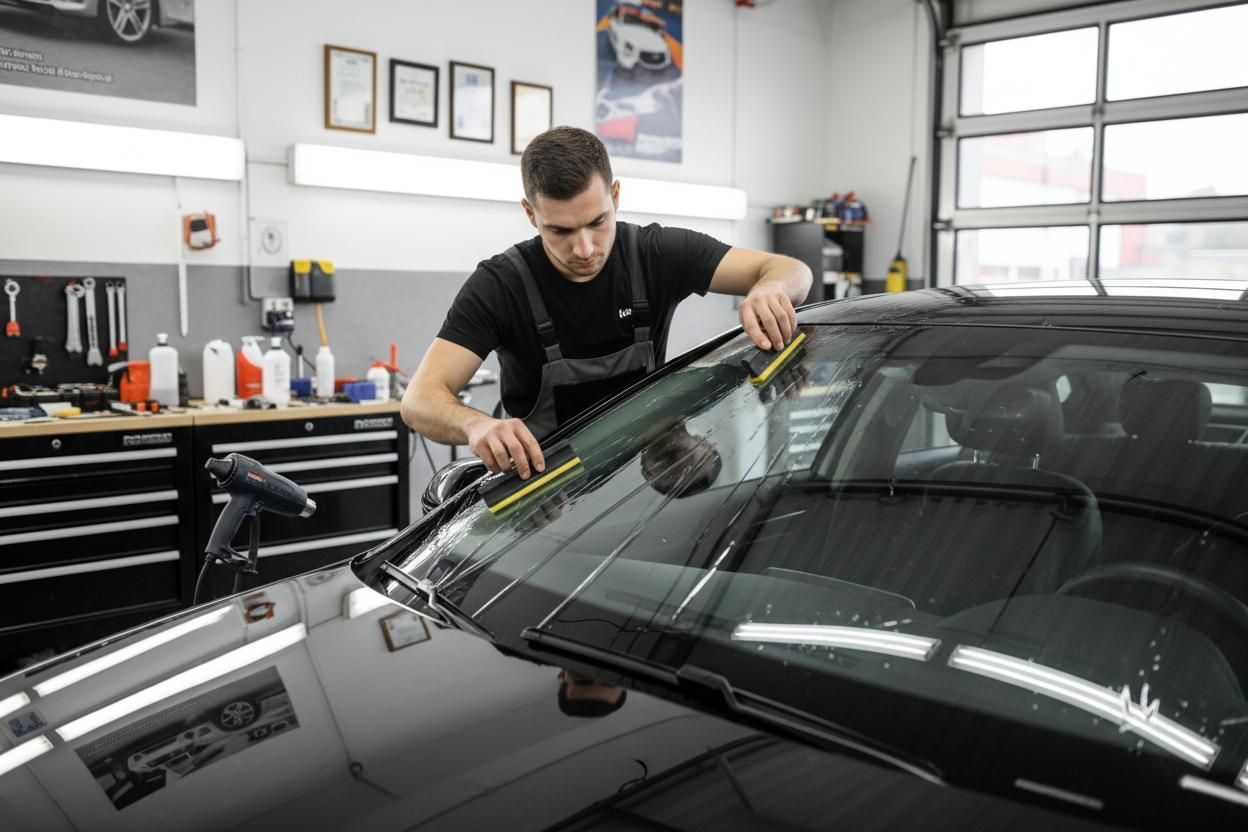
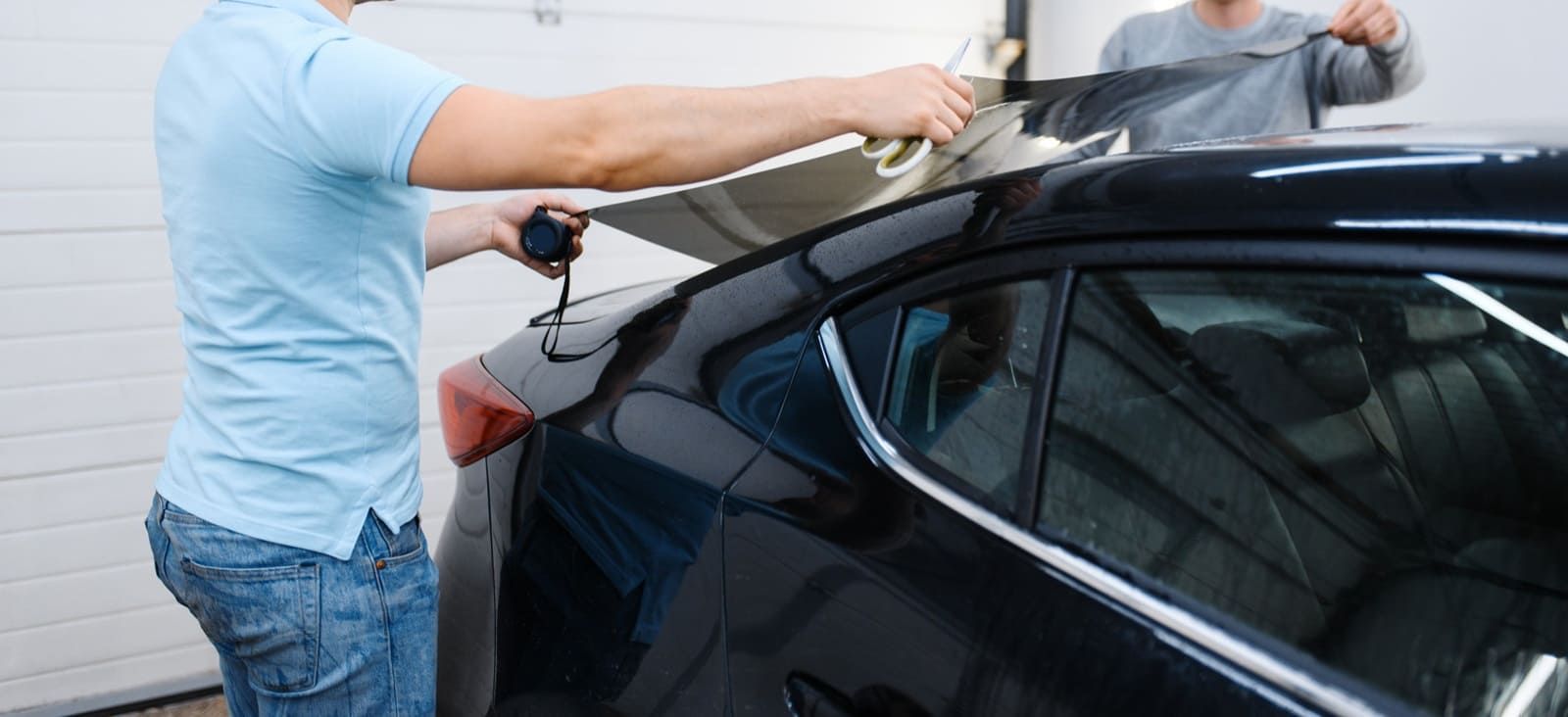
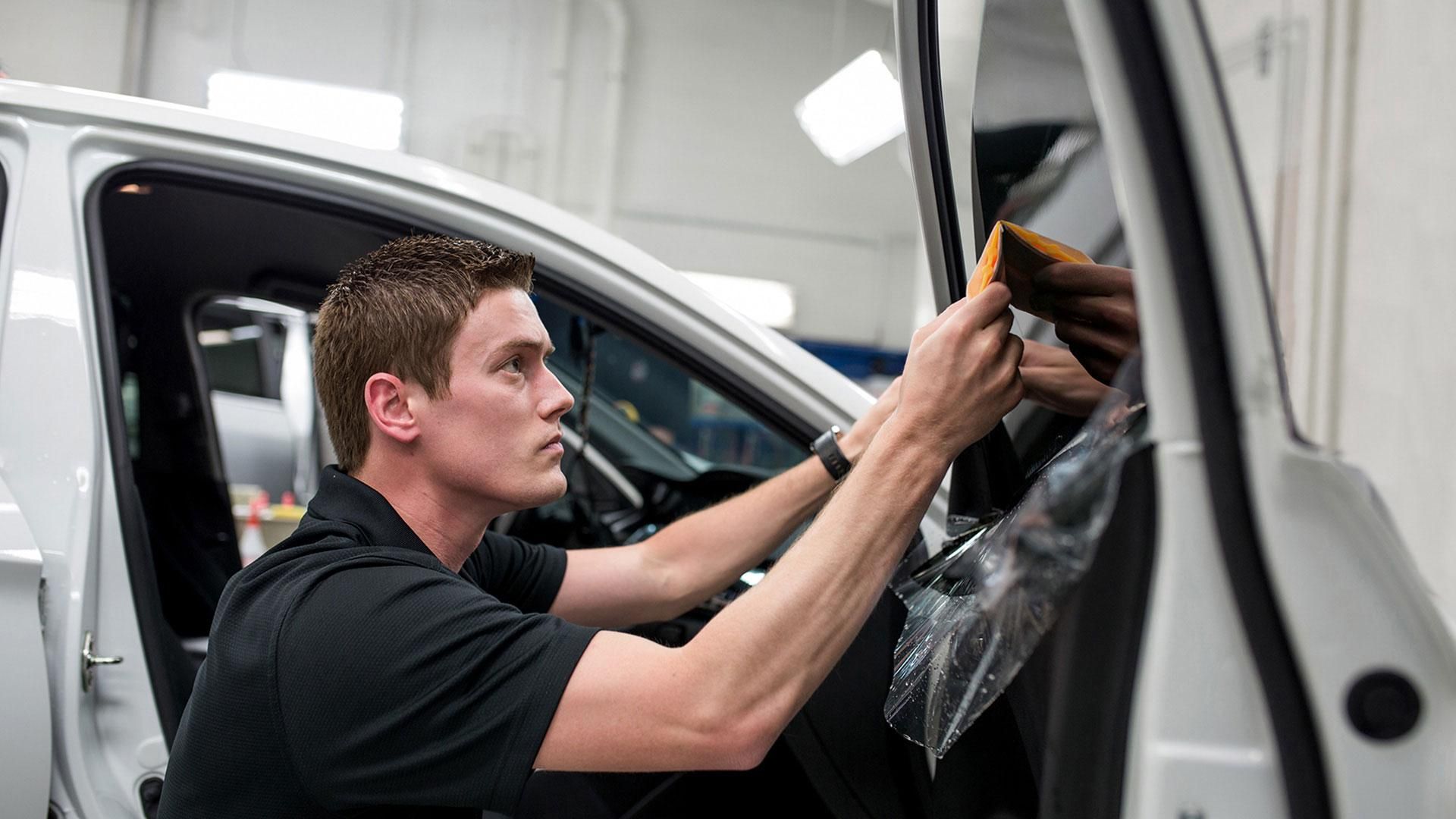
Even the best film depends on correct installation. Proper fit, clean application, and the right product recommendation all matter. Cool Dreams Window Tinting helps Southern Arizona customers compare premium ceramic options based on real goals such as heat rejection, comfort, UV protection, and durability rather than price alone.
FAQ
Is ceramic tint worth the extra cost in Arizona?
For many Arizona homeowners and vehicle owners, yes. The stronger heat rejection, UV protection, and long-term durability often make ceramic worth the higher upfront cost in extreme desert conditions.
How much more does ceramic tint cost than carbon or dyed film?
Ceramic usually costs more upfront than carbon or dyed film because it is a premium performance category. The exact difference depends on the project size, film line, and application.
Does ceramic tint really block more heat than other films?
In general, yes. Ceramic tint is widely chosen because it typically provides stronger overall heat rejection than dyed film and usually outperforms carbon when maximum heat control is the goal.
Will ceramic tint lower my energy bills in an Arizona summer?
It can help reduce solar heat gain in a home, which may support lower cooling demand. Exact results vary based on the building, glass exposure, and daily usage patterns.
How long does ceramic tint last in extreme desert heat?
Premium ceramic tint is selected for strong long-term durability, especially when professionally installed. Specific lifespan depends on the product, glass exposure, and overall conditions.
Does ceramic tint fade or discolor like cheaper film can?
Quality ceramic film is generally chosen for better long-term stability than cheaper alternatives. Product quality and installation quality still play a major role in how well it holds up.
Does ceramic tint interfere with phone signal, GPS, or garage remotes?
Ceramic tint is non-metallic, so it is commonly selected by people who want premium performance without signal-related concerns involving phones, GPS, or remote systems.
Is ceramic tint worth it for a home as well as a vehicle?
For many Arizona properties, yes. Homes with strong sun exposure and vehicles parked outdoors often benefit the most from ceramic's heat-control and UV-protection advantages.
Can ceramic tint help protect furniture and flooring from fading?
Yes. Strong UV protection can help reduce sun-related wear on interior materials such as fabrics, flooring, and furnishings over time.
Does ceramic tint add resale value to a home or vehicle?
It may improve buyer appeal and perceived quality, though it does not guarantee a specific dollar increase. The clearest value usually comes from the ownership experience itself.
How dark does ceramic tint need to be to feel a difference?
Not necessarily very dark. Film technology matters more than darkness alone, and lighter ceramic films can still provide meaningful heat-control benefits.
Is ceramic tint noticeably better in stop-and-go traffic heat?
For many drivers, yes. Better heat rejection can make the cabin feel less intense when the vehicle is moving slowly or sitting in direct sun.
How long does ceramic tint installation take?
Installation time depends on whether the job is automotive or residential, the amount of glass involved, and the complexity of the project. A professional estimate can provide a realistic timeframe.
Is DIY tint film a reasonable alternative to professional ceramic tint?
For most people, professional installation is the better choice. Product quality, fit, and application all affect long-term results, especially in Arizona heat.
How do I know if ceramic tint is worth it for my specific situation?
Look at your budget, how much sun exposure you deal with, how long you plan to keep the home or vehicle, and how important long-term heat relief is to you. Those factors usually make the answer clear.
Conclusion
For many homeowners and vehicle owners in Sierra Vista, Tucson, and surrounding Southern Arizona areas, ceramic tint is worth it in 2026. Arizona's extreme heat places unusually high demands on glass, interiors, and cooling systems, which makes premium performance easier to justify than in milder climates. Better heat rejection, strong UV protection, no signal interference, and long-term durability all support ceramic's value as a long-term upgrade rather than a short-term expense.
If you want a premium solution for Arizona sun, Cool Dreams Window Tinting offers ceramic film options including the SolarFX IRFX Series and Hüper Optik window films for customers seeking high-end comfort and performance. Contact Cool Dreams Window Tinting for a free estimate and get expert guidance on the right ceramic window film solution for your home or vehicle in Sierra Vista, Tucson, and surrounding areas.