
Can Ceramic Tint Reduce AC Use in Arizona Summer Driving? A Sierra Vista and Tucson Guide
Yes. Ceramic window tint can meaningfully reduce how hard your air conditioner works during Arizona summer driving. Quality ceramic films block a large share of the sun's infrared heat before it enters your cabin. That means your car heats up less while parked, cools down faster once you start driving, and holds a comfortable temperature at lower AC settings. Tint won't replace your AC, but it can take a significant load off of it. That can mean better comfort, less strain on your AC system, and a little better fuel economy or EV range.
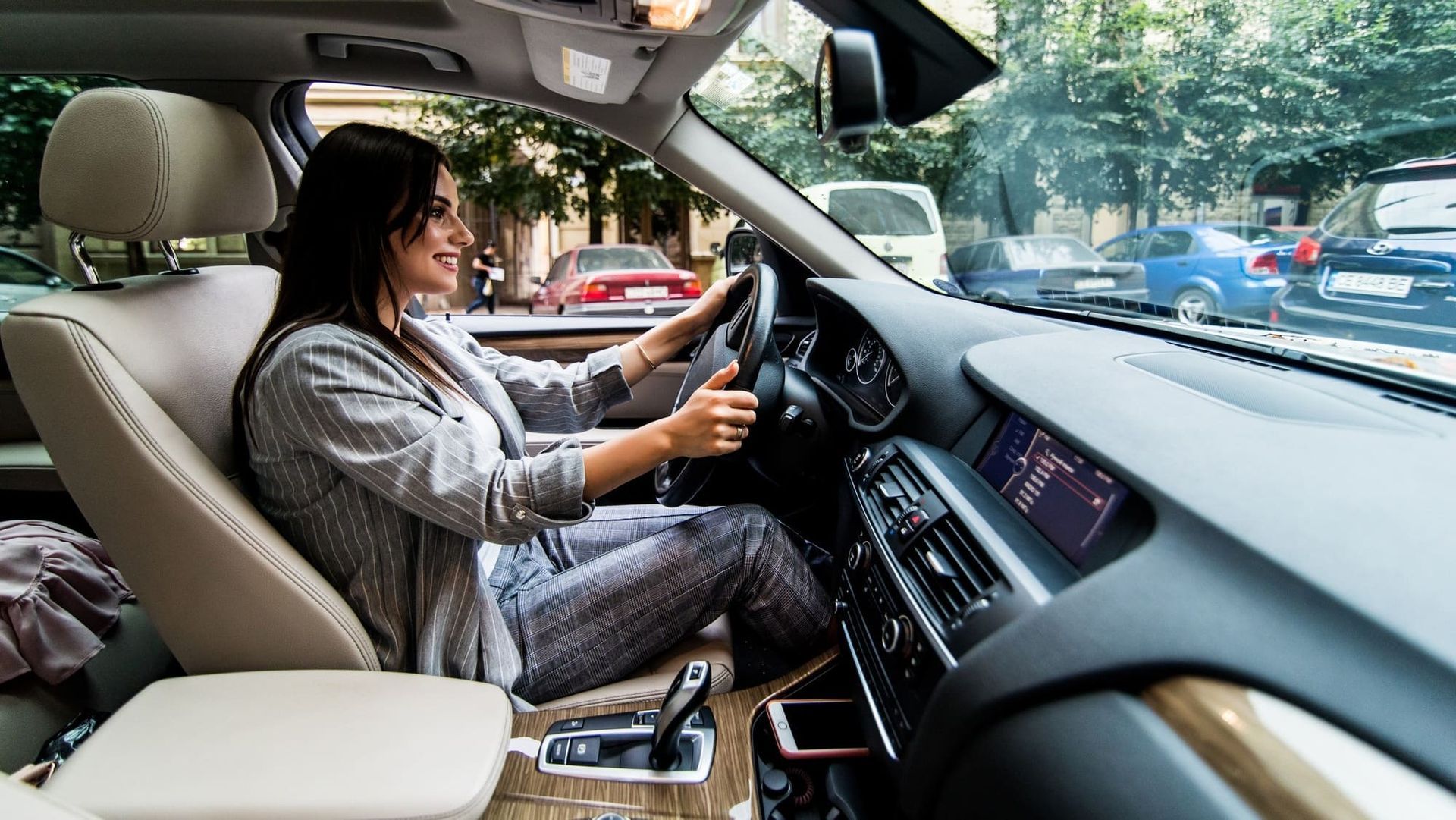
If you drive in Sierra Vista, Tucson, or anywhere in Southern Arizona, you know the summer routine. You open the door to a cabin that feels like an oven. The steering wheel is too hot to touch and the seatbelt buckle burns your hand. Then you crank the AC to max and wait for relief. On the drive between Sierra Vista and Tucson, the sun beats through the side windows for the whole trip.
This guide explains how ceramic tint reduces cabin heat, how much difference it realistically makes to AC use, what Arizona law allows, and how to choose the right film. Cool Dreams Window Tinting has been tinting vehicles in Sierra Vista since 2001, and our goal is to give you honest, practical answers.
Why Arizona Summers Are So Hard on Your Car's AC
Your car's cabin heats up because glass lets solar energy in and traps it. Sunlight passes through the windows, warms the dashboard, seats, and steering wheel, and that heat builds up inside. This greenhouse effect is why an Arizona car can be far hotter inside than the air outside.
Southern Arizona adds a few challenges of its own:
- Intense sunshine: Arizona gets some of the most intense sunshine in the country, and summer afternoons deliver long hours of direct sun.
- High-elevation UV: Sierra Vista sits at a higher elevation than Tucson, which means more intense UV exposure even when temperatures are a bit milder.
- Long highway drives: commutes and trips on SR-90 and I-10 expose the side windows to constant sun.
- Parking in open lots: shade is hard to find at work, the store, or base parking, so cabins bake all day.
All of this forces your AC to work harder and longer. According to the U.S. Department of Energy, running the AC in very hot conditions can reduce a conventional vehicle's fuel economy by more than 25 percent, especially on short trips. For hybrids and EVs, the impact on efficiency can be even larger on a percentage basis.
How Does Ceramic Tint Reduce Heat in Your Car?
Ceramic tint reduces cabin heat by blocking infrared (IR) energy, the part of sunlight you feel as heat. The film contains nano-sized ceramic particles that absorb and reject IR while still letting plenty of visible light through. This is why a light ceramic film can outperform a much darker conventional tint on heat rejection.
Ceramic film also blocks more than 99 percent of UV rays. That protects your skin on long drives and keeps dashboards, leather, and upholstery from fading and cracking in the Arizona sun.
Here's how the main types of automotive tint compare:
| Tint Type | Heat (IR) Rejection | UV Blocking | Signal Interference | Fade Resistance | Relative Cost |
|---|---|---|---|---|---|
| Dyed film | Low | 99%+ | None | Can fade over time | $ |
| Carbon film | Moderate | 99%+ | None | Good | $$ |
| Ceramic film | High | 99%+ | None | Excellent | $$$ |
| Nano-ceramic IR film | Very high | 99%+ | None | Excellent | $$$$ |
Two terms help you compare films:
- Total Solar Energy Rejected (TSER): the share of the sun's total energy the film blocks.
- Infrared (IR) rejection: how much of the heat-producing part of sunlight the film blocks.
For AC performance, look for films with high TSER and IR rejection, not just dark shades.
How Much Can Ceramic Tint Reduce AC Use?
The honest answer is that it depends on your vehicle, film, and driving habits. The benefits are real, though, and most drivers notice them right away. Here's what ceramic tint typically changes.
Lower Cabin Temperatures While Parked
Ceramic film reduces the solar heat entering through the windows, so the cabin, seats, and dashboard don't get as hot while parked. You'll still want a windshield sunshade, but the car starts from a lower temperature.
Faster Cool-Down Once You Start Driving
Because less heat has built up inside, your AC reaches a comfortable temperature sooner. This "pull-down" period is when AC works hardest and uses the most energy, so shortening it matters.
Lower AC Settings at Cruising Speed
With less sun pouring through the side and rear glass, many drivers find they can run the AC at a lower fan speed or a warmer setting and still stay comfortable. That's especially true on long drives between Sierra Vista and Tucson.
More Even Comfort for Passengers
Rear-seat passengers, including kids and pets, often get the worst of the sun because rear vents are limited. Tinted rear windows help keep the whole cabin comfortable.
Less Strain on Your AC System
A lower heat load means your compressor and cooling system work less hard over the life of the vehicle. That can help with long-term reliability in Arizona's heat.
What about fuel savings? Any fuel or range improvement depends on how much you drive, how you use the AC, and your vehicle. Gas vehicles may see a modest improvement. EV and hybrid drivers often notice more, because climate control draws directly from the battery. Treat fuel savings as a bonus. The main benefits are comfort, faster cooling, and protection.
Arizona Tint Laws: How Dark Can You Go?
Arizona's tint laws make ceramic film especially valuable. Because the front side windows can't be very dark, you want a film that rejects heat without relying on darkness.
| Window | Arizona Rule |
|---|---|
| Windshield | Non-reflective tint allowed only above the AS-1 line |
| Front side windows | Must allow at least 33% of visible light through (±3%) |
| Rear side windows | Any darkness allowed |
| Rear window | Any darkness allowed (dual side mirrors required) |
| Reflectivity | No more than 35% reflective |
| Colors | Red and amber tints not allowed |
This is where ceramic tint really pays off. A legal 35 percent ceramic film on your front windows can reject more heat than a darker, cheaper dyed film. You stay comfortable without risking a ticket. Arizona also has a medical exemption program for people with qualifying light-sensitive conditions. Talk with your doctor and check current state requirements if that applies to you.
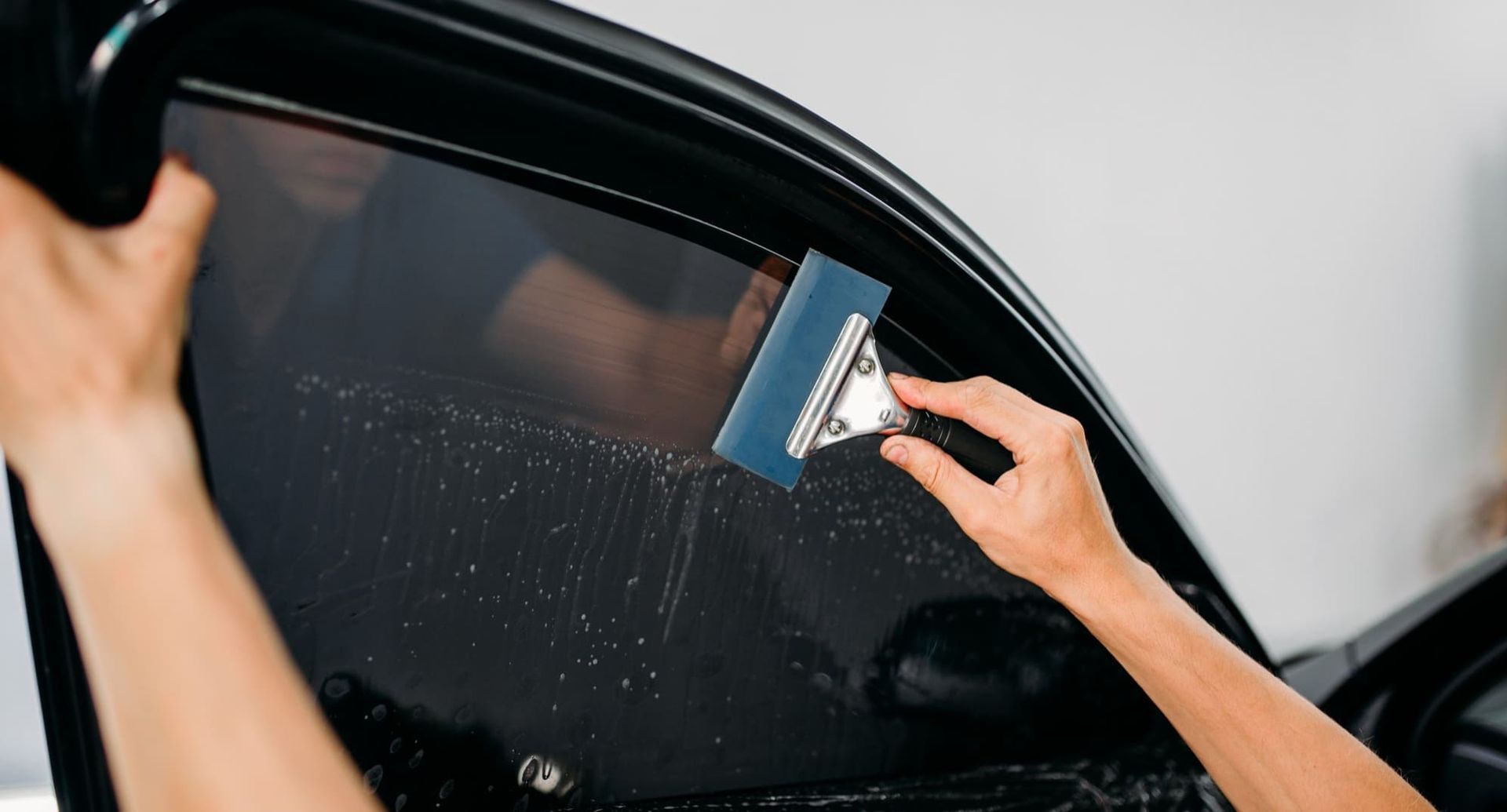
Is Ceramic Tint Worth It in Southern Arizona?
For most Arizona drivers, yes. Ceramic tint costs more upfront than dyed or carbon film, but it performs better and lasts longer in extreme heat and sun.
| Vehicle / Coverage | Typical Ceramic Tint Cost* | Nano-Ceramic IR Cost* |
|---|---|---|
| Coupe or sedan (sides and rear) | $300–$550 | $450–$800 |
| SUV or truck (sides and rear) | $350–$650 | $500–$900 |
| Windshield AS-1 strip | $50–$100 | $75–$150 |
| Old tint removal | $75–$200 | $75–$200 |
*General Southern Arizona market estimates. Final pricing depends on vehicle, film series, and whether old tint must be removed.
Ceramic tint is often the smartest choice if you:
- Commute daily or drive long highway distances
- Park in open lots without shade
- Drive an EV or hybrid and want to protect your range
- Carry kids, pets, or passengers in the back seat
- Want to protect leather, dashboards, and trim from sun damage
- Plan to keep your vehicle for several years
How to Get the Best Results From Ceramic Tint
Film choice and installation quality both matter. Here's how to get the most heat rejection and comfort for your money.
Compare Heat Rejection, Not Just Shade
Ask for each film's TSER and IR rejection numbers. A lighter premium ceramic film can outperform a darker budget film.
Stay Legal on the Front Windows
Choose a front window shade that meets Arizona's 33 percent VLT rule. Get your cooling from the film's ceramic technology rather than extra darkness.
Maximize Coverage Where It's Allowed
The rear side windows and back glass can be any darkness in Arizona. A darker ceramic film there adds privacy and heat rejection for rear passengers.
Use a Windshield Sunshade
The windshield is the largest piece of glass in the car, and Arizona only allows tint above the AS-1 line. A good sunshade while parked complements your tint.
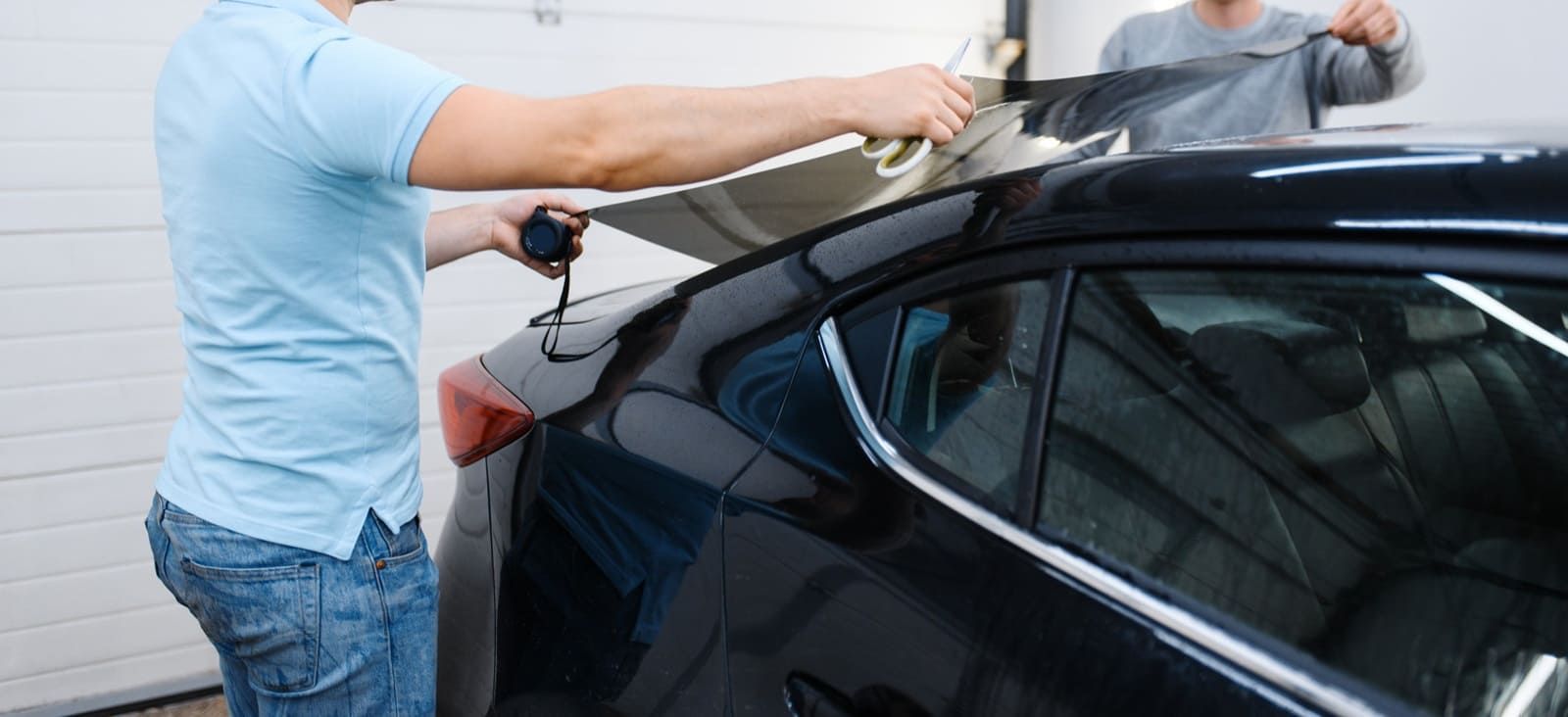
Choose a Quality Brand and a Trained Installer
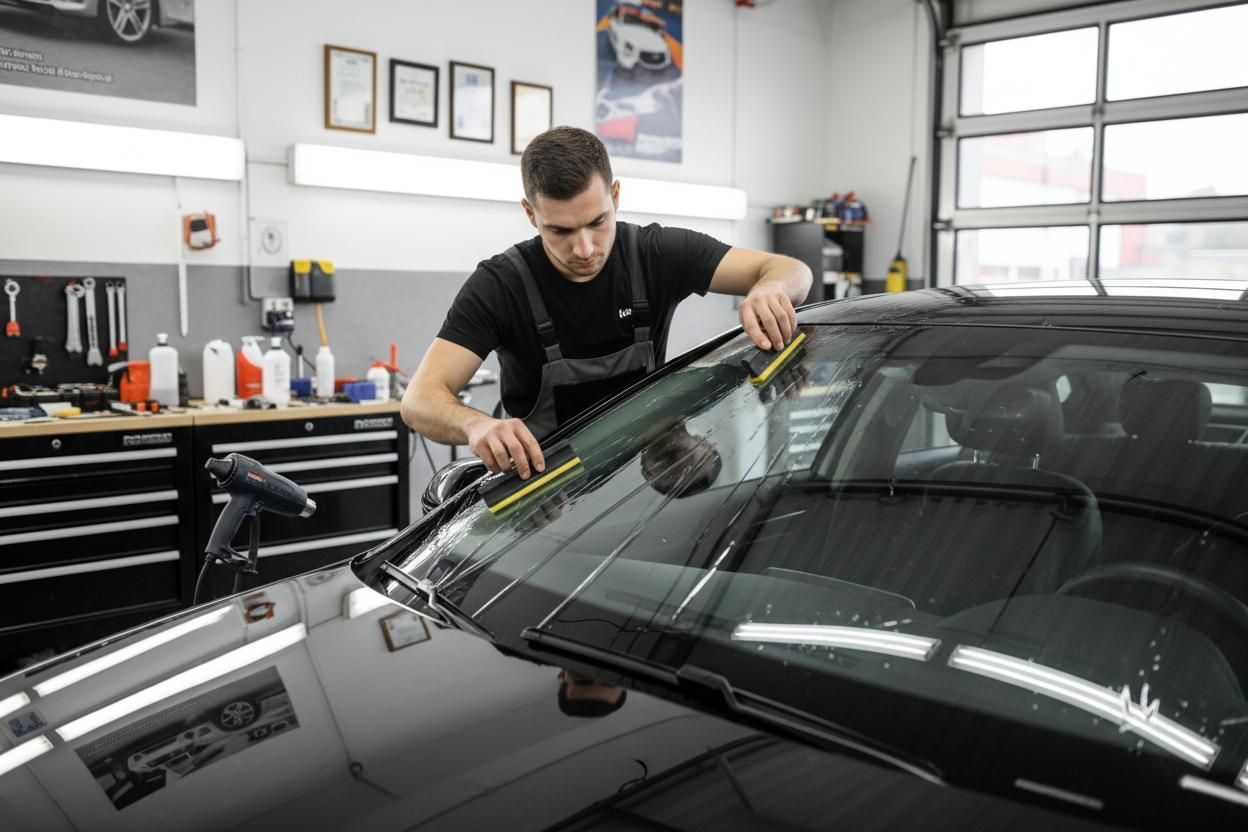
Premium films from brands like SolarFX, Hüper Optik, Autobahn, and Edge are engineered for high heat rejection and long-term color stability. Professional installation ensures clean edges, no bubbles, and full warranty coverage.
Follow Aftercare Instructions
Keep your windows rolled up for a few days after installation while the film cures. Clean with ammonia-free products and a soft cloth.
Why Southern Arizona Drivers Choose Cool Dreams Window Tinting
Cool Dreams Window Tinting is a family-owned business that has served Sierra Vista and Southern Arizona since 2001. Drivers from Sierra Vista, Tucson, and the surrounding areas trust us for ceramic window tint that holds up to the desert sun.
We carry a wide range of premium films, including the SolarFX IRFX nano-ceramic series, Hüper Optik, Autobahn, and Edge. That lets us match the right film to your vehicle, budget, and comfort goals. Our installers are trained in the latest tools and techniques, and we'll help you choose a shade that keeps you cool and keeps you legal. You can even preview options with our online SolarFX film simulator before your appointment.
Frequently Asked Questions About Ceramic Tint and AC Use in Arizona
Does ceramic tint really make a car cooler?
Yes. Ceramic tint blocks a large share of infrared heat and more than 99 percent of UV rays. Most drivers notice cooler seats, a cooler steering wheel, and faster AC cool-down right away.
Will ceramic tint save me money on gas?
It can help a little by reducing how hard your AC works, but results vary by vehicle and driving habits. The bigger benefits are comfort, faster cooling, and interior protection.
Does ceramic tint help EV range in the summer?
It can. Climate control in an EV draws power from the battery, so reducing the cabin's heat load helps the system use less energy. The effect depends on your vehicle and how you drive.
Is ceramic tint better than dark tint for heat?
Usually, yes. Ceramic films reject heat through their IR-blocking technology, not just darkness. A legal, lighter ceramic film can outperform a darker dyed film on heat rejection.
What is the darkest legal tint in Arizona?
Front side windows must allow at least 33 percent of visible light through, with a small variance. Rear side windows and the rear window can be any darkness, and windshield tint is allowed only above the AS-1 line.
Will ceramic tint interfere with my phone or GPS?
No. Ceramic film is non-metallic, so it won't interfere with cell phones, GPS, radio, or keyless entry signals.
How long does ceramic tint last in Arizona heat?
Quality ceramic films are designed to resist fading, bubbling, and color change for many years, and premium films typically come with strong manufacturer warranties.
Beat the Arizona Heat With Ceramic Tint
Ceramic window tint can reduce AC use in Arizona summer driving by keeping solar heat out of your cabin in the first place. Your car stays cooler while parked, cools down faster, and stays comfortable at lower AC settings, all while blocking more than 99 percent of UV rays. Pair a legal front shade with high-performance ceramic film everywhere else, and you'll feel the difference on every drive.
If you live in Sierra Vista, Tucson, or elsewhere in Southern Arizona, Cool Dreams Window Tinting is ready to help. You can:
- Request a free auto tint estimate online
- Call (520) 249-4008
- Visit our shop at 570 Bartow Dr, Sierra Vista, AZ 85635, Monday through Friday from 7:30 am to 5:30 pm